 PlantFun
Plant Needs
Characteristics
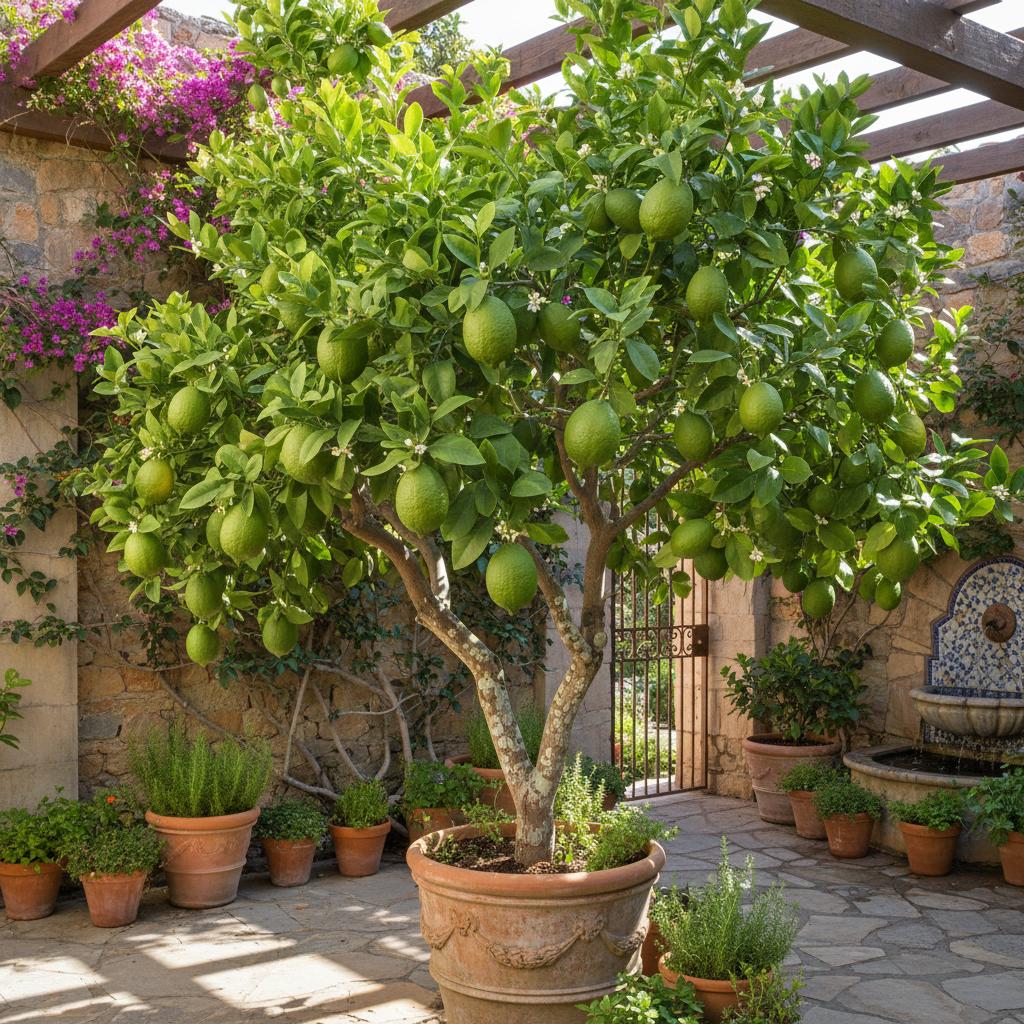
- Leaves: Broad, lanceolate to ovate, glossy dark green, with distinctively winged petioles;
- Flowers: Small, fragrant, with 5 white petals, often tinged with purple when in the bud stage;
- Fruit: Oval to spherical, 4-6 cm in diameter, seedless, green turning pale yellow when fully ripe, with thin rind and acidic juice;
- Bark: Grayish-brown and relatively smooth, branches are nearly thornless compared to other lime varieties.
Care Guide
Water deeply once or twice a week depending on heat and rainfall.
Apply a nitrogen-rich citrus fertilizer as new growth appears.. Citrus trees are heavy feeders; ensure adequate micronutrients like iron, zinc, and manganese.
Coffee Grounds and Eggshells:Mix used coffee grounds and thoroughly rinsed, crushed eggshells into the top layer of soil. This provides a gentle nitrogen boost and calcium. Avoid applying directly against the trunk to prevent rot.- Prune in late winter or early spring before new growth begins;
- Remove any suckers growing from below the graft union;
- Thin out crossing branches to improve airflow and light penetration into the canopy;
- Remove dead, diseased, or damaged wood promptly.
Toxicity
Warning: this plant may be toxic.
Pets: Toxic per ASPCA due to essential oils (limonene, linalool) and psoralens.
Humans: Essential oils in the peel and leaves may cause phytophotodermatitis (skin irritation when exposed to sunlight); the fruit flesh and juice are perfectly safe and edible.
Garden Uses & Culture
Culture: A staple in Western culinary traditions, particularly in Mexican, Caribbean, and American cuisines, and an essential ingredient in classic cocktails like the Margarita and Mojito.
Usage: Culinary (juice, zest, marinades, beverages), ornamental landscaping, and container gardening.