PlantFun
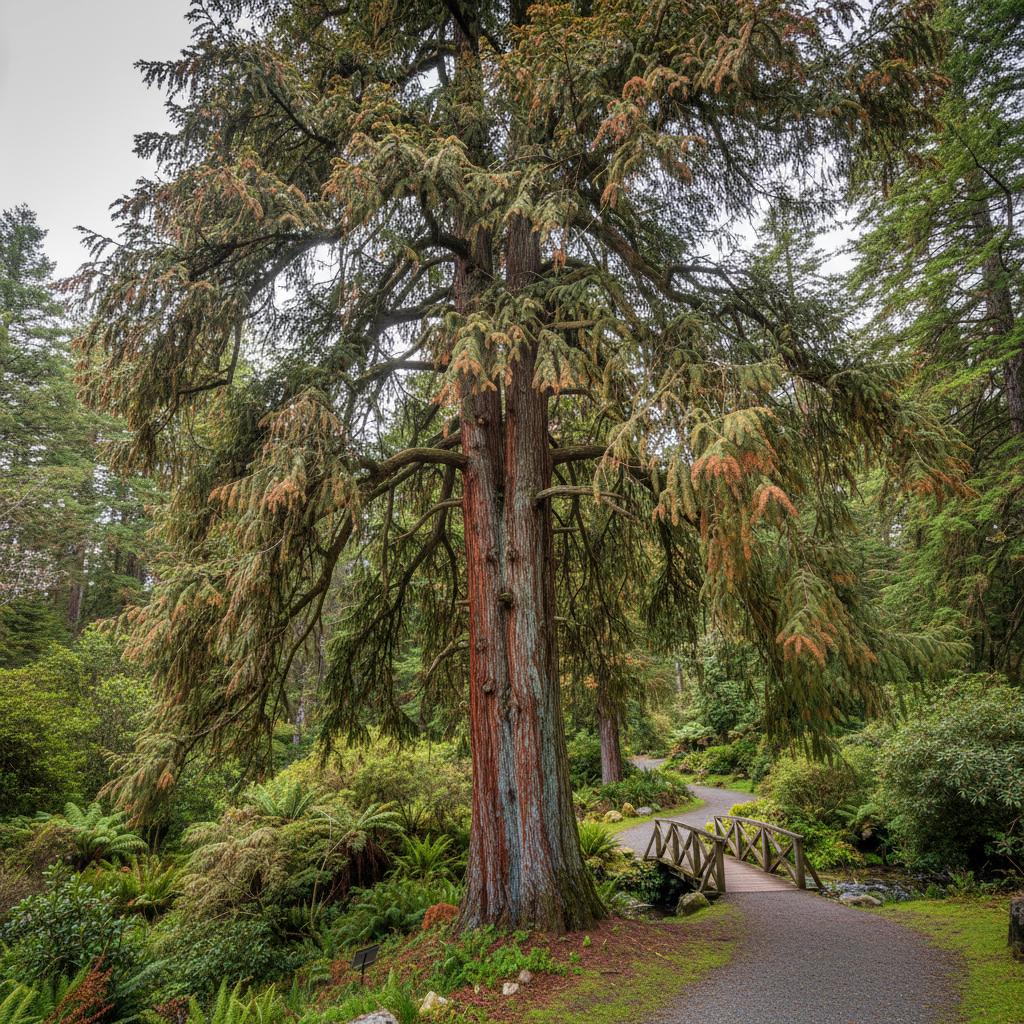
Plant Needs
Sunlight
Full sun to partial shade; young saplings tolerate dappled forest shade in native habitats
Watering
Water deeply but infrequently; allow top 5–10 cm of soil to dry slightly between waterings to avoid root rot
Temperature
Hardy to mild frosts; prefers cool temperate climates and avoids prolonged temperatures above 28°C
Characteristics
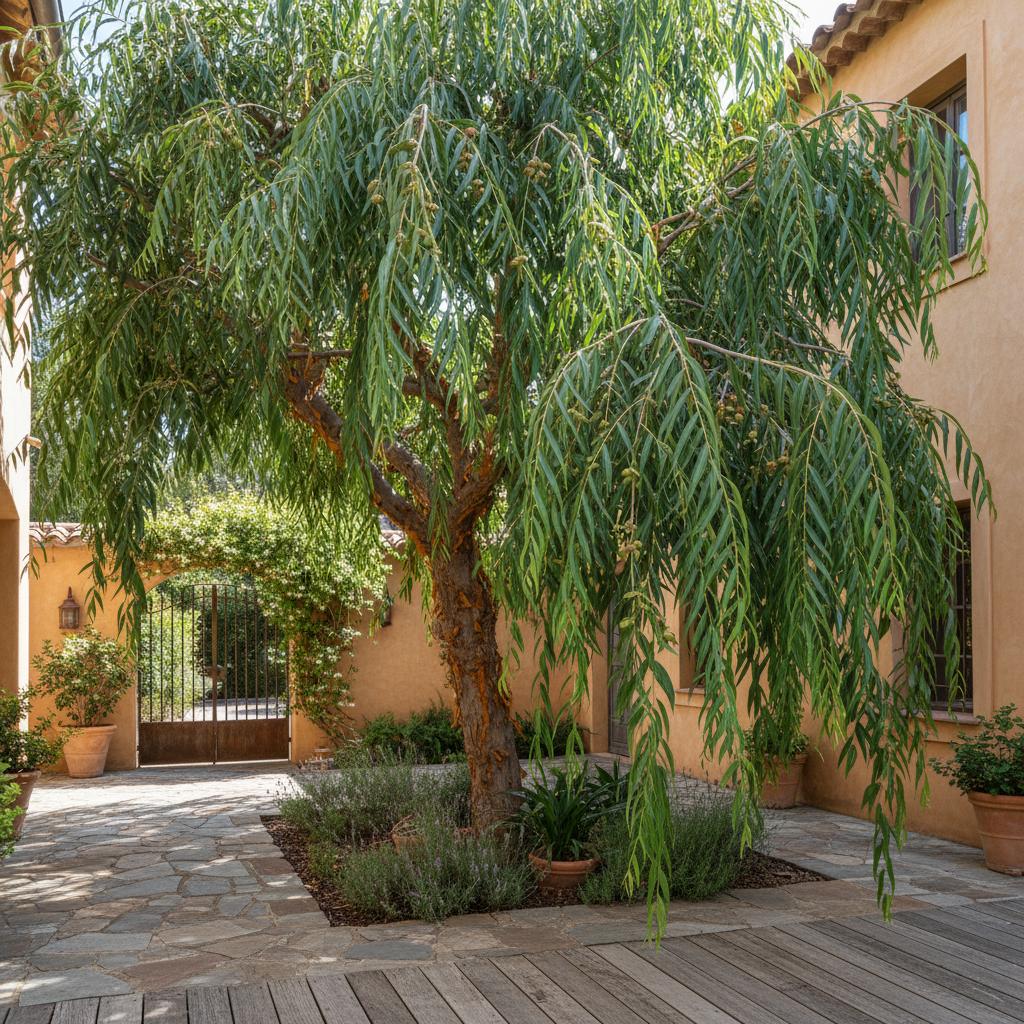
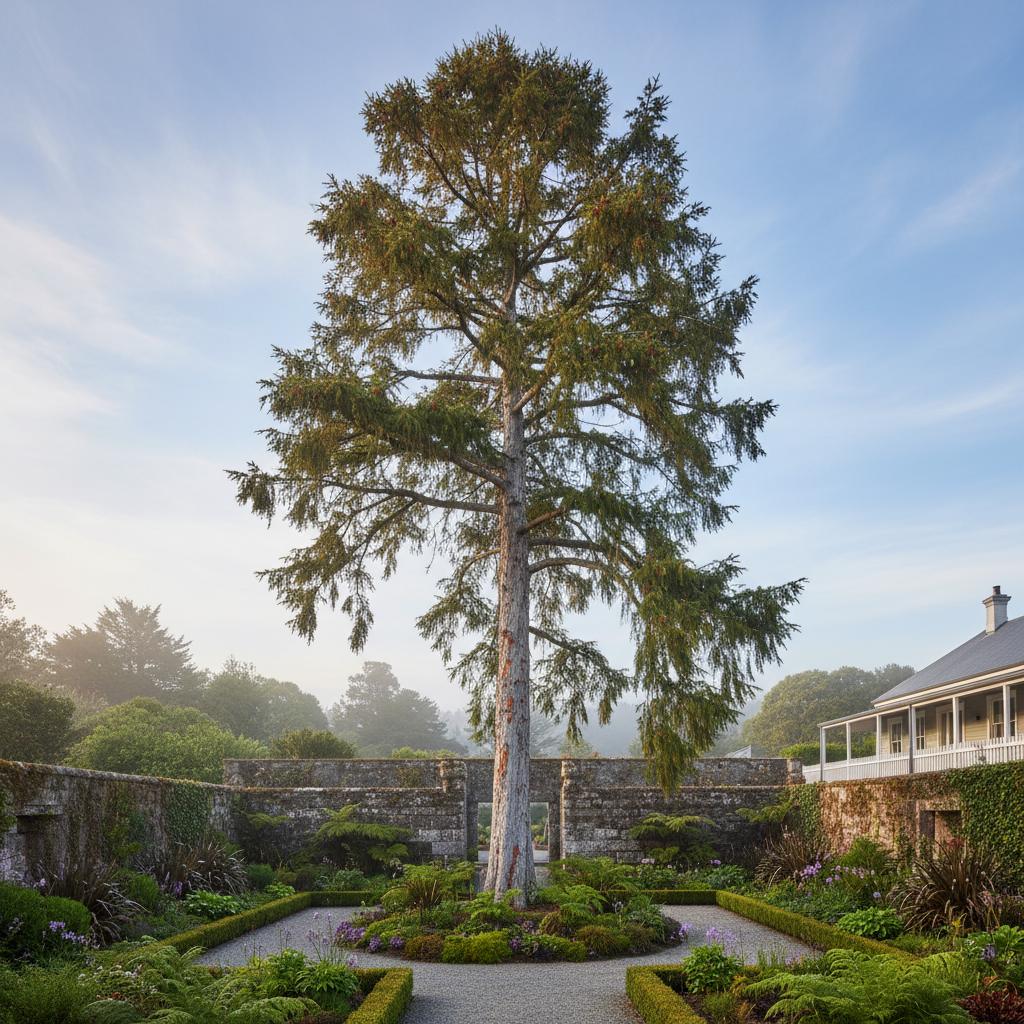
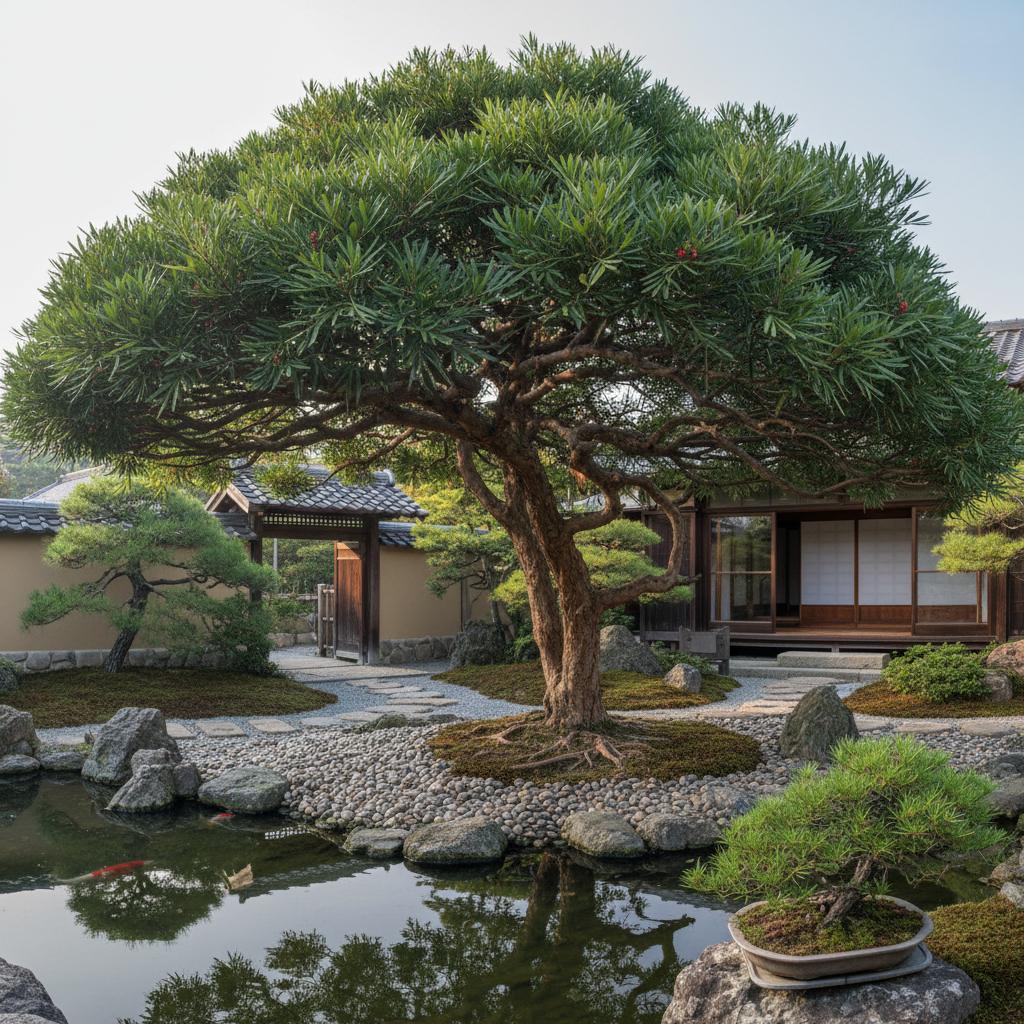
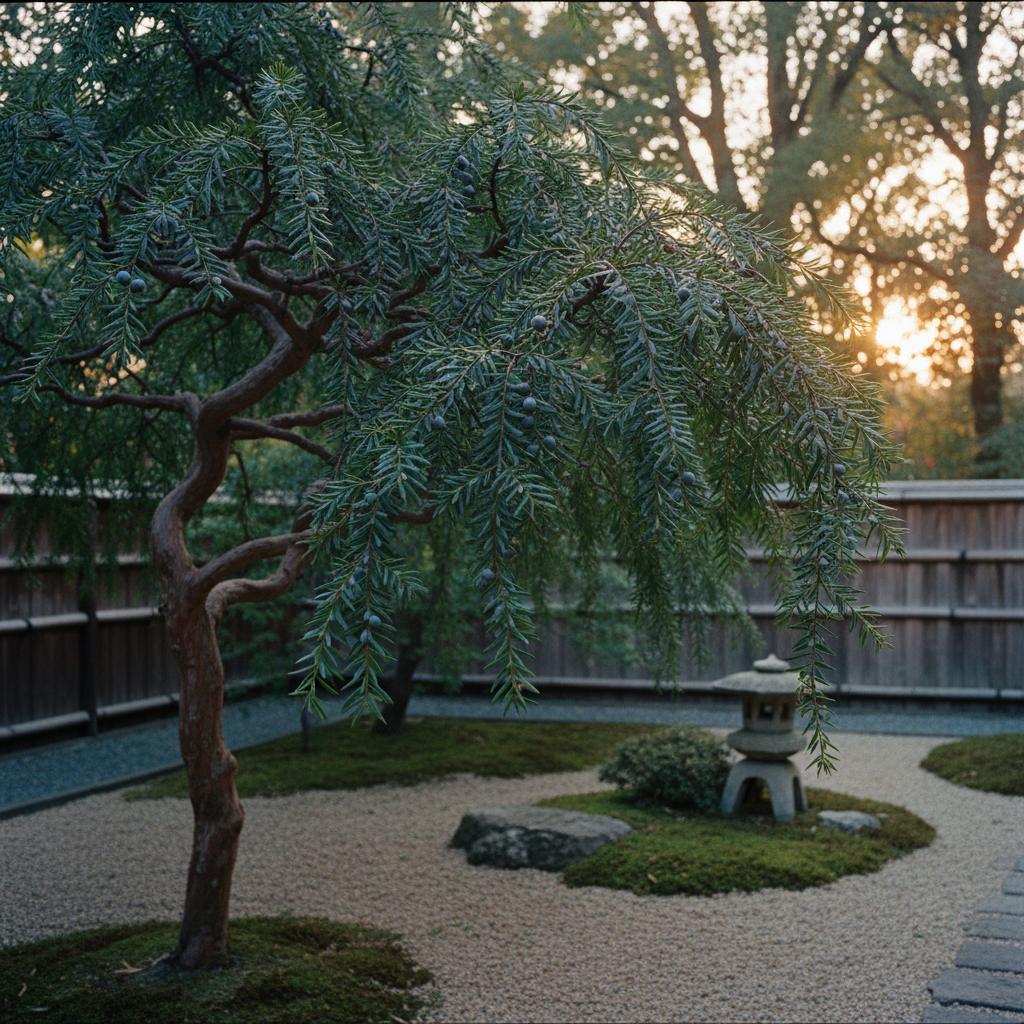
- Leaf: Juvenile leaves are linear, 10–20 mm long; adult leaves scale-like, overlapping, 1–3 mm long
- Cones: Male cones are small, yellow, clustered at branch tips; female cones produce a single seed with a fleshy red aril
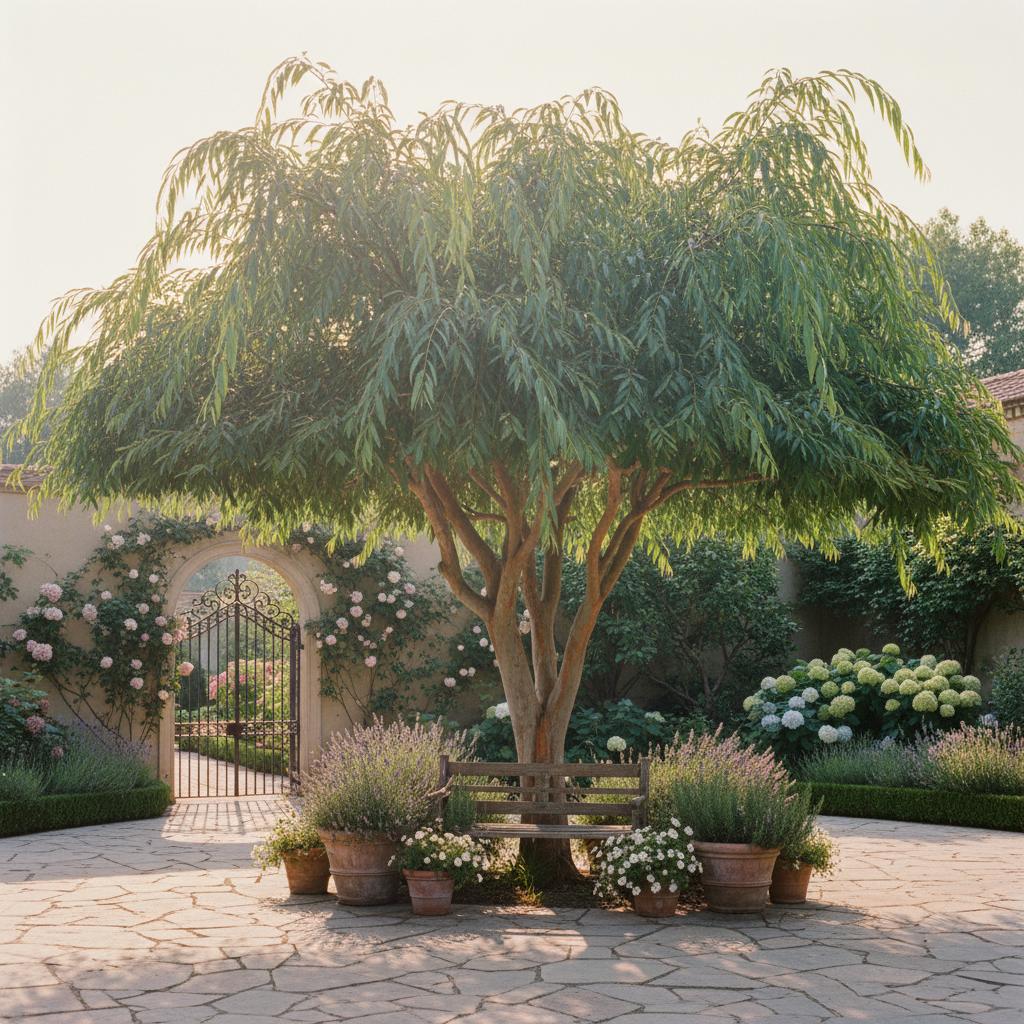
- Stem/Bark: Bark is reddish-brown, peeling in thin, fibrous strips as the tree ages
Care Guide
Watering
Keep soil consistently moist for young saplings; reduce watering frequency for mature established trees
Fertilization
Apply slow-release organic fertilizer once at the start of growing season. Use a low-nitrogen fertilizer to support steady, slow growth without forcing excessive foliage production
Composted leaf mold:Work fully composted leaf mold into the top 5 cm of soil annually to improve soil structure and nutrient availability; avoid raw, uncomposted material to prevent pest infestationsPruning
- Remove dead, damaged, or crossing branches in late winter to maintain tree structure and airflow
- Avoid heavy pruning, as rimu grows slowly and recovers poorly from severe cutting
- Thin crowded lower branches on young saplings to promote upward growth and reduce shade stress
Toxicity
Warning: this plant may be toxic.
Pets & Humans
Pets: ASPCA does not list this plant as toxic to cats
Humans: No known toxic effects on humans
Garden Uses & Culture
Culture: N/A
Usage: Timber for construction and woodworking; ornamental landscape tree in suitable climates