 PlantFun
Plant Needs
Characteristics
- Leaves: Deeply divided, finely dissected into linear lobes, alternate arrangement;
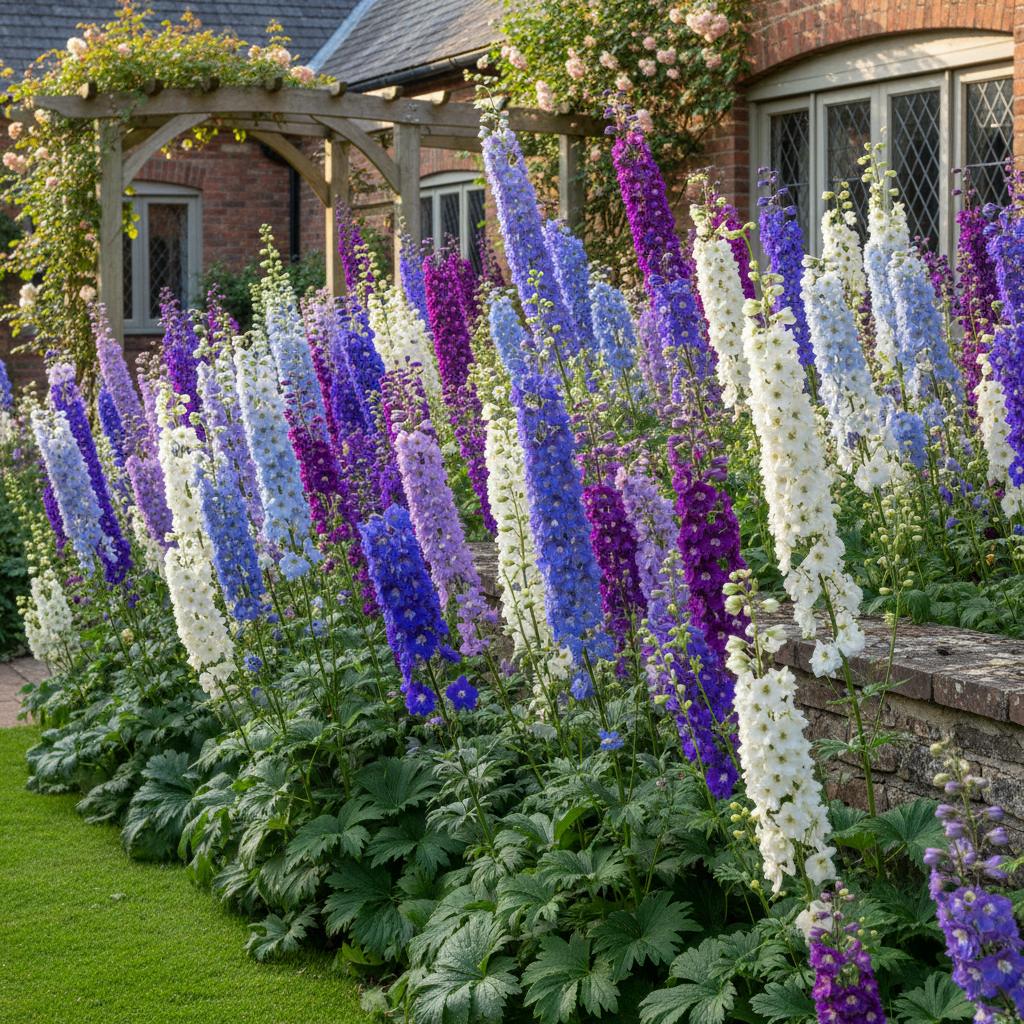
- Flowers: Zygomorphic, vivid blue to purple, with a distinct backward-pointing spur, arranged in loose racemes;
- Stem: Slender, erect, highly branched (forking), nearly glabrous;
- Fruit: A single glabrous follicle containing multiple dark, ridged seeds.
Care Guide
Water deeply once a week, allowing the top inch of soil to dry out between waterings.
Apply a balanced fertilizer early in the season to encourage healthy foliage and stem development.. Avoid over-fertilizing with nitrogen, which promotes leaves at the expense of flowers.
Banana Peel Tea:Steep chopped banana peels in water for 24-48 hours. Strain and use the liquid to water the base of the plant to boost blooming. Discard solids in compost to avoid attracting pests and odors.- Deadhead spent flowers regularly to encourage continuous blooming;
- Remove the entire plant at the end of the season if self-seeding is not desired;
- Thin out crowded seedlings in spring to ensure good air circulation.
Toxicity
Warning: this plant may be toxic.
Pets: Toxic per ASPCA. Ingestion causes severe neuromuscular and cardiac toxicity.
Humans: Highly toxic if ingested due to diterpenoid alkaloids, causing severe systemic and neurological effects.
Garden Uses & Culture
Culture: In Western folklore, larkspurs were believed to ward off scorpions and venomous beasts, and are strongly associated with the summer solstice and protective magic.
Usage: Widely cultivated as an ornamental garden plant and for cut flowers; historically used to produce blue dye and ink.