 PlantFun
Plant Needs
Sunlight
Prefers full sun to partial shade for optimal growth and flowering.
Watering
Requires moderate watering, allowing the topsoil to dry out between waterings.
Temperature
Hardy in temperate climates, tolerating winter frosts once established.
Characteristics
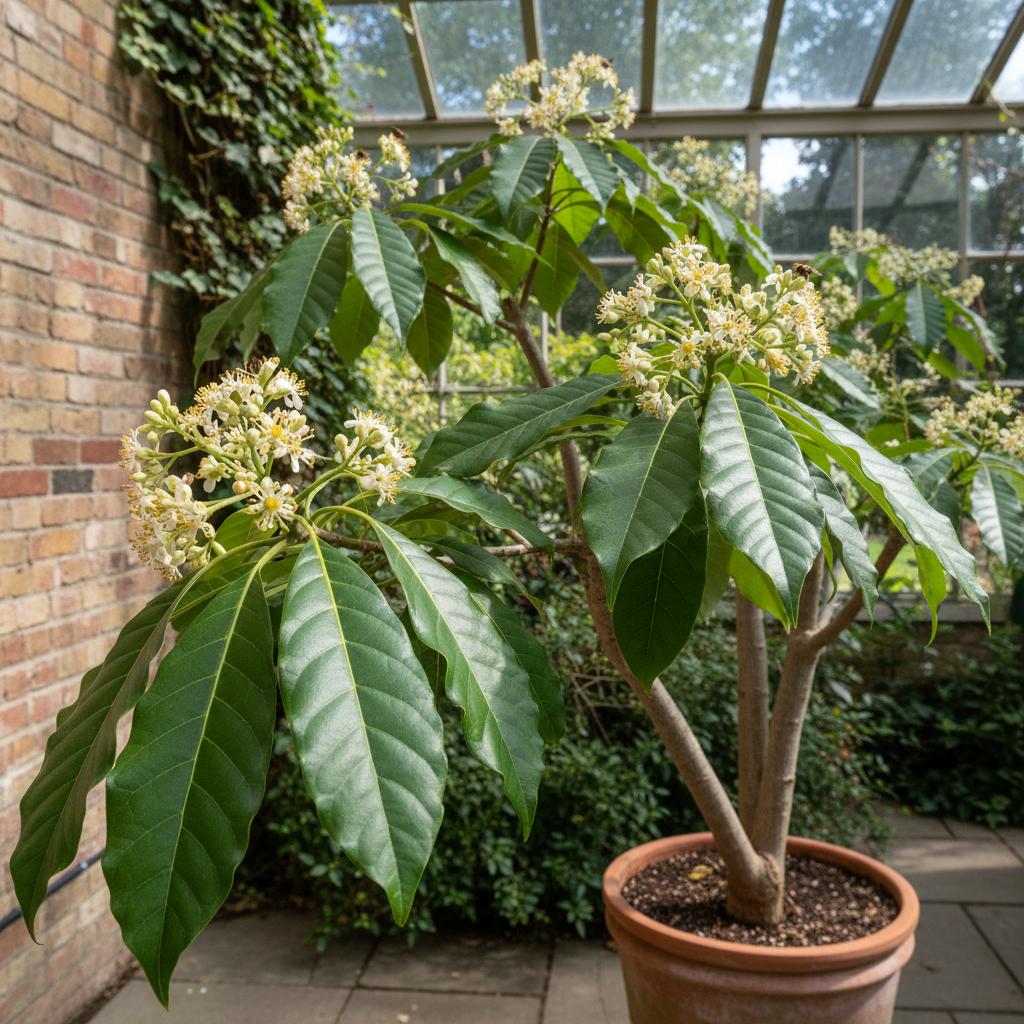
- Leaves: Opposite, odd-pinnately compound with 5 to 13 leaflets, elliptic to ovate, featuring oil glands and a strong aroma when crushed;
- Flowers: Small, yellowish-white to greenish, arranged in terminal corymbose or paniculate cymes;
- Fruit: Reddish to purplish-black capsules that split open to reveal shiny black seeds;
- Bark: Grayish-brown, relatively smooth with slight fissuring on older trunks.
Care Guide
Watering
Water deeply once a week, keeping the soil evenly moist but not soggy.
Fertilization
Apply a balanced slow-release fertilizer as new growth emerges.. Avoid over-fertilizing, which can lead to excessive foliage at the expense of blooms.
Banana Peel Tea:Steep chopped banana peels in water for 24 hours. Strain and use the liquid to water the base of the tree to promote healthy blooming and fruiting. Discard solids in compost to avoid attracting pests.Pruning
- Prune in late winter or early spring while the tree is still dormant;
- Remove dead, diseased, or crossing branches to maintain a healthy framework;
- Thin out the canopy slightly to improve air circulation and light penetration.
Toxicity
Warning: this plant may be toxic.
Pets & Humans
Pets: Essential oils and alkaloids may cause mild gastrointestinal upset if chewed.
Humans: Mildly toxic if ingested in large quantities raw, due to active alkaloids.
Garden Uses & Culture
Culture: N/A
Usage: Widely planted in botanical gardens and landscapes as a premier shade tree and an exceptional late-season nectar source for honeybees and other pollinators.