 PlantFun
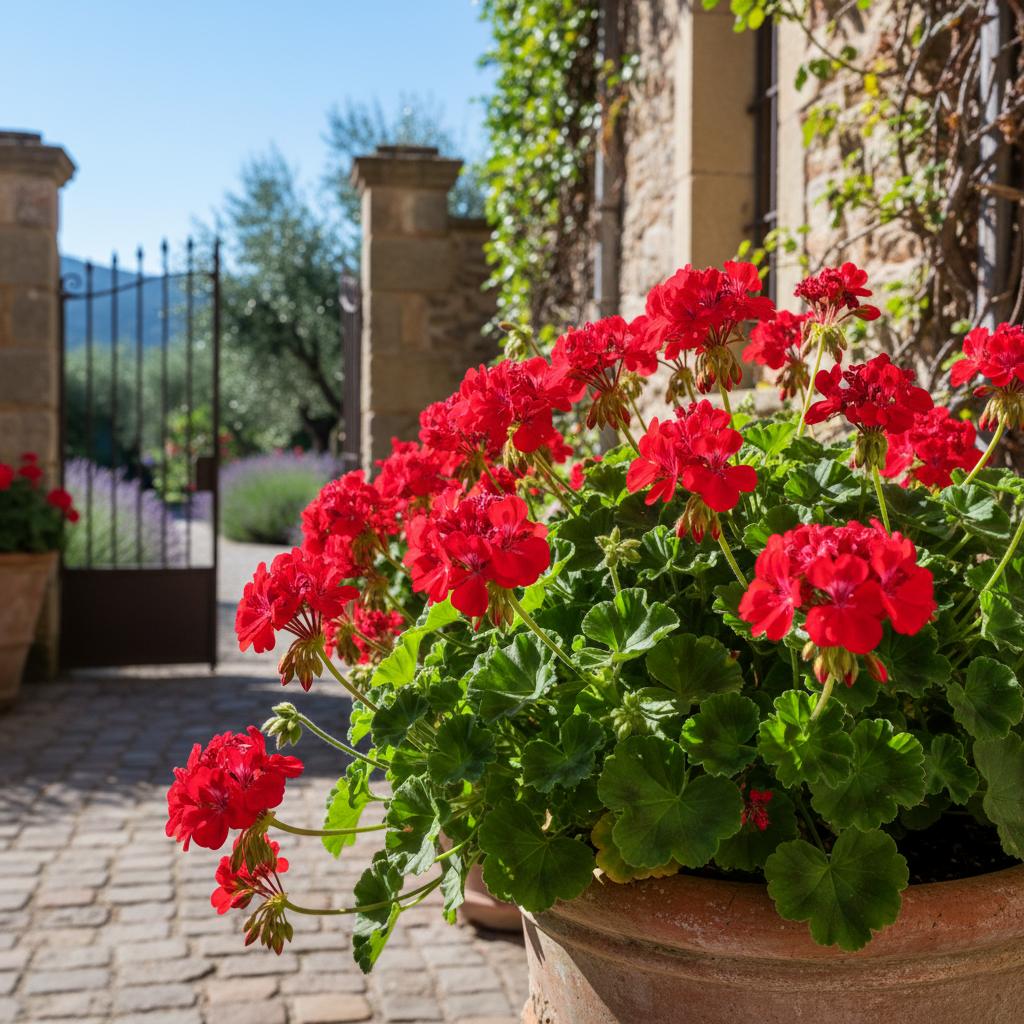
Plant Needs
Characteristics
- Leaves: Deeply 5-7 palmately lobed, coarsely toothed, somewhat hairy, up to 15 cm across, turning reddish in autumn;
- Flowers: Saucer-shaped, 5-petaled, pale pink to deep rose-purple, about 2.5 - 4 cm across, blooming in loose clusters at the top of stems;
- Stem: Erect, hairy, branching, arising from a thick rhizome;
- Fruit: A distinctive beak-like schizocarp (resembling a crane's bill) that springs open explosively to disperse seeds.
Care Guide
Water deeply once a week, keeping the soil consistently moist during the active growing and blooming phase.
Apply a light top-dressing of compost or a mild organic fertilizer as new growth emerges.. Wild geraniums are light feeders and generally thrive on decaying leaf litter in their natural habitat.
Banana Peel Tea:Steep chopped banana peels in water for 24-48 hours. Dilute 1:1 with water and apply to the base of the plant in early spring to promote healthy blooming. Discard peels in compost to avoid attracting pests.- Shear back foliage lightly after the spring bloom to encourage a flush of fresh, neat basal leaves;
- Remove dead or yellowing foliage in late autumn or early spring before new growth begins;
- Divide overcrowded rhizomes every 3-4 years in early spring or fall to maintain vigor.
Toxicity
Warning: this plant may be toxic.
Pets: Non-toxic to cats per ASPCA (Note: True Geranium/Cranesbill is non-toxic, unlike the commonly confused Pelargonium species).
Humans: Generally considered non-toxic to humans; rhizomes contain high tannins which are highly astringent.
Garden Uses & Culture
Culture: In Victorian floriography, the true geranium (cranesbill) often symbolized steadfast piety, gentle nobility, and peaceful mind.
Usage: Excellent for woodland gardens, shaded borders, native plant landscaping, and pollinator gardens. Historically used in herbalism as a powerful astringent.