 PlantFun
Plant Needs
Characteristics
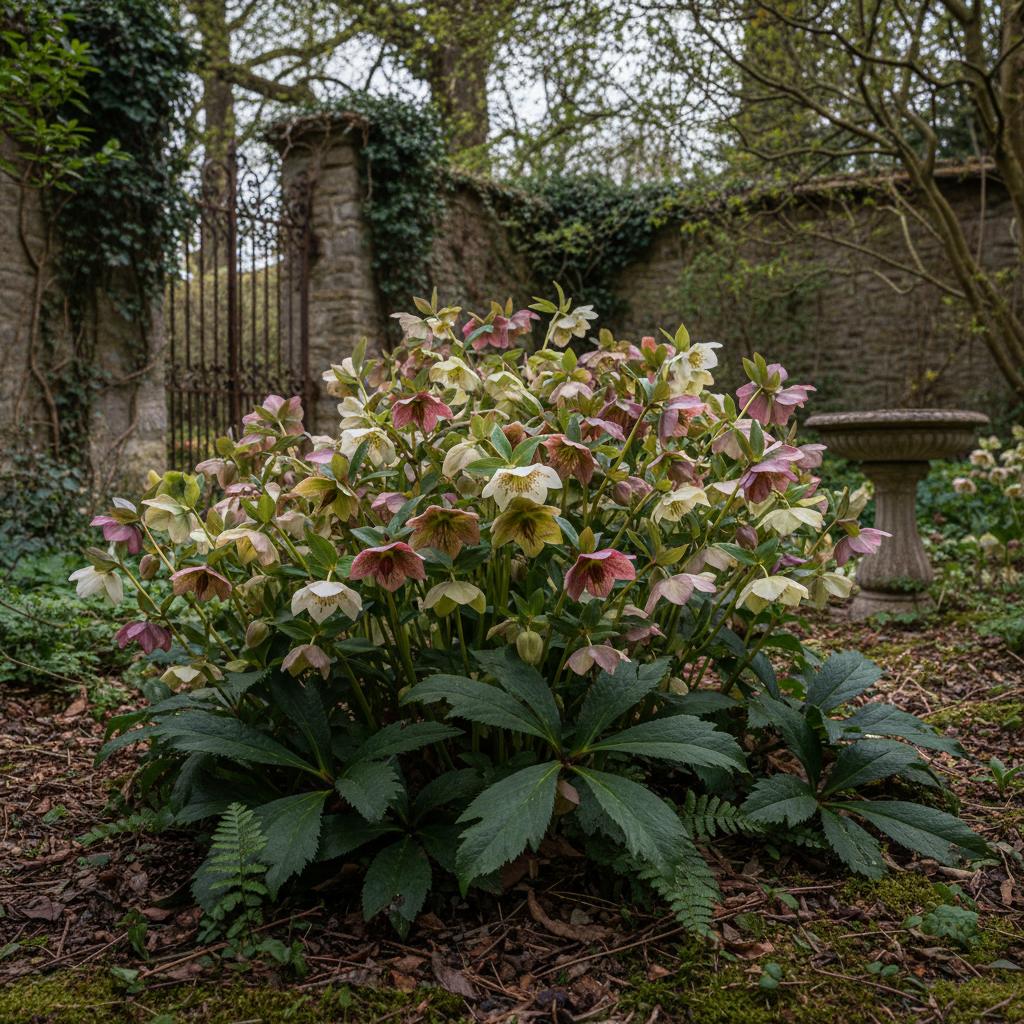
- Leaves: Evergreen, leathery, palmately or pedately divided into serrated leaflets, dark green and glossy;
- Flowers: Nodding or outward-facing, cup-shaped, consisting of 5 petal-like sepals in shades of white, pink, purple, or green; true petals are modified into small tubular nectaries;
- Stems: Thick, fleshy flower stalks emerging directly from a stout underground rhizome;
- Roots: Fleshy, deep-reaching rhizomatous root system.
Care Guide
Water regularly during active spring growth; reduce in summer when the plant is semi-dormant.
Apply a balanced, slow-release organic fertilizer as new growth appears.. Feed lightly during the active growth period in early spring; avoid excessive nitrogen.
Crushed Eggshells:Rinse and dry eggshells thoroughly, crush into a fine powder, and sprinkle around the base to provide calcium and improve soil structure; avoid using unwashed shells to prevent odors and pests.- Late Winter: Cut back old, tattered evergreen leaves just as new flower buds emerge to prevent fungal diseases and highlight the blooms;
- Post-Bloom: Deadhead spent flowers if self-seeding is not desired;
- Safety: Always wear gloves when pruning, as the sap can cause skin irritation.
Toxicity
Warning: this plant may be toxic.
Pets: Toxic per ASPCA. Ingestion causes severe gastrointestinal upset, drooling, and potential cardiac anomalies.
Humans: Highly toxic if ingested, causing severe gastrointestinal and cardiac issues; sap can cause contact dermatitis and blistering.
Garden Uses & Culture
Culture: In European folklore, hellebores were planted near doors to ward off evil spirits and were historically associated with alchemy and early witchcraft.
Usage: Excellent for woodland gardens, shade borders, and underplanting deciduous trees; provides crucial early nectar for emerging pollinators.