 PlantFun
Plant Needs
Sunlight
Prefers partial sun to full sun; benefits from afternoon shade in warmer climates to prevent premature bolting.
Watering
Requires consistently moist soil to produce tender, non-bitter leaves.
Temperature
Thrives in cool weather; high heat causes bitterness and bolting.
Characteristics
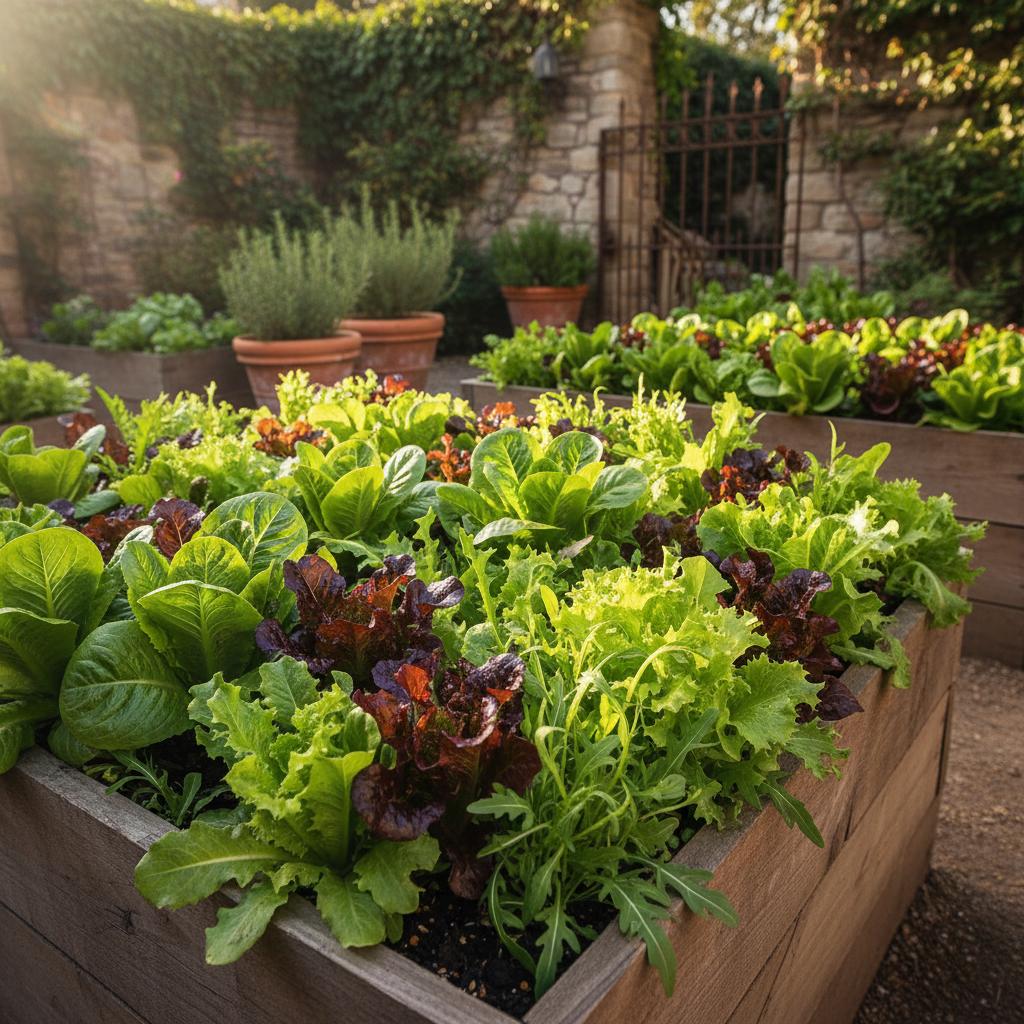
- Leaves: A diverse mixture of young, tender leaves varying in shape from deeply lobed to smooth-edged, with colors ranging from pale green to deep purple or red;
- Flowers: Small, pale yellow composite flowers on tall stalks (rarely seen in cultivation as plants are harvested before bolting);
- Stems: Short, forming a basal rosette when young, elongating rapidly only when going to seed.
Care Guide
Watering
Water frequently to keep the top inch of soil consistently moist, especially during dry spells.
Fertilization
Apply a light, nitrogen-rich organic feed to encourage leafy growth.. Frequent, light feeding supports the rapid "cut-and-come-again" harvest cycle.
Coffee Grounds Tea:Steep used coffee grounds in water overnight, strain, and use the liquid to water the plants. This provides a gentle nitrogen boost ideal for leafy greens. Avoid applying thick layers of uncomposted grounds directly to the soil to prevent mold.Pruning
- Harvest outer leaves when they reach 10-15 cm in length using the "cut-and-come-again" method;
- Leave the central crown intact to allow for continuous regrowth;
- Remove any yellowing or damaged leaves immediately to maintain airflow;
- Pull the entire plant once it begins to bolt (send up a tall flower stalk), as leaves will become bitter.
Toxicity
Warning: this plant may be toxic.
Pets & Humans
Pets: Non-toxic to cats per ASPCA.
Humans: Completely safe and highly nutritious for human consumption.
Garden Uses & Culture
Culture: Originating in Provence, France, the term "mesclun" comes from the Niçois word "mescla," meaning "to mix." It traditionally represents a spring harvest of the first tender greens of the season.
Usage: Primarily used fresh in salads, as a delicate bed for roasted meats, or as a crisp garnish in sandwiches.