 PlantFun
Plant Needs
Characteristics
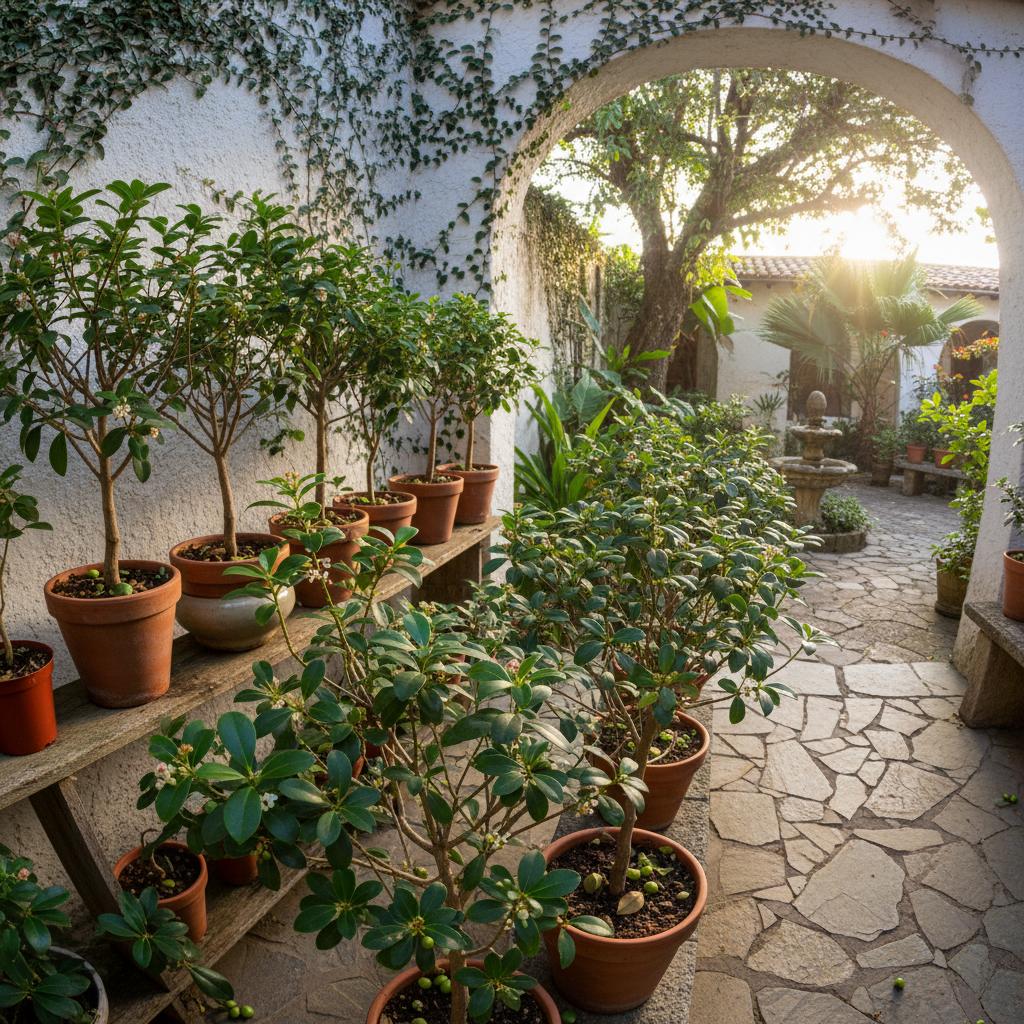
- Leaves: Evergreen, opposite, lanceolate to elliptic, 2 - 10 cm long, glossy dark green with a leathery texture;
- Flowers: Small, white, with numerous prominent stamens, occurring in dense clusters directly on the main trunk and thick branches (cauliflory);
- Fruits: Globose, 3 - 4 cm in diameter, thick purplish-black astringent skin, enclosing a gelatinous, sweet, white to rosy pulp and 1 - 4 seeds;
- Bark: Smooth, exfoliating in patches to reveal light gray, tan, and greenish underbark, providing year-round visual interest.
Care Guide
Water deeply and frequently to keep the soil consistently moist, especially during flowering and fruiting
Apply a balanced, acid-loving fertilizer to support new growth and blooming. Requires regular feeding due to its slow growth rate and heavy fruiting potential.
Coffee Grounds Acidifier:Sprinkle used, cooled coffee grounds lightly around the base of the tree and water in well. This helps maintain the acidic soil pH that Jabuticaba prefers. Avoid piling in thick layers to prevent mold.- Thin out the interior canopy to allow sunlight and air to reach the inner trunk and main branches, which stimulates fruiting;
- Remove dead, diseased, or crossing branches in late winter;
- Keep the tree at a manageable height if grown in a container or small garden.
Toxicity
Warning: this plant may be toxic.
Pets: Non-toxic; safe around felines, though large seeds could pose a choking hazard.
Humans: Fruits are highly prized and edible; no toxic parts reported.
Garden Uses & Culture
Culture: In South America, particularly Brazil, it is a cherished backyard tree, deeply woven into local traditions of making homemade jams, jellies, and wines from its trunk-borne harvest.
Usage: - **Culinary**: Fruits are eaten fresh (by squeezing the pulp out of the skin) or made into jams, tarts, strong wines, and liqueurs; - **Ornamental**: Highly valued as a landscape specimen for its attractive peeling bark and unique fruiting habit.