 PlantFun
Plant Needs
Characteristics
- Leaves: Elliptic to obovate, 4 - 10 cm long, margins crenate or serrate, slightly pubescent underneath;
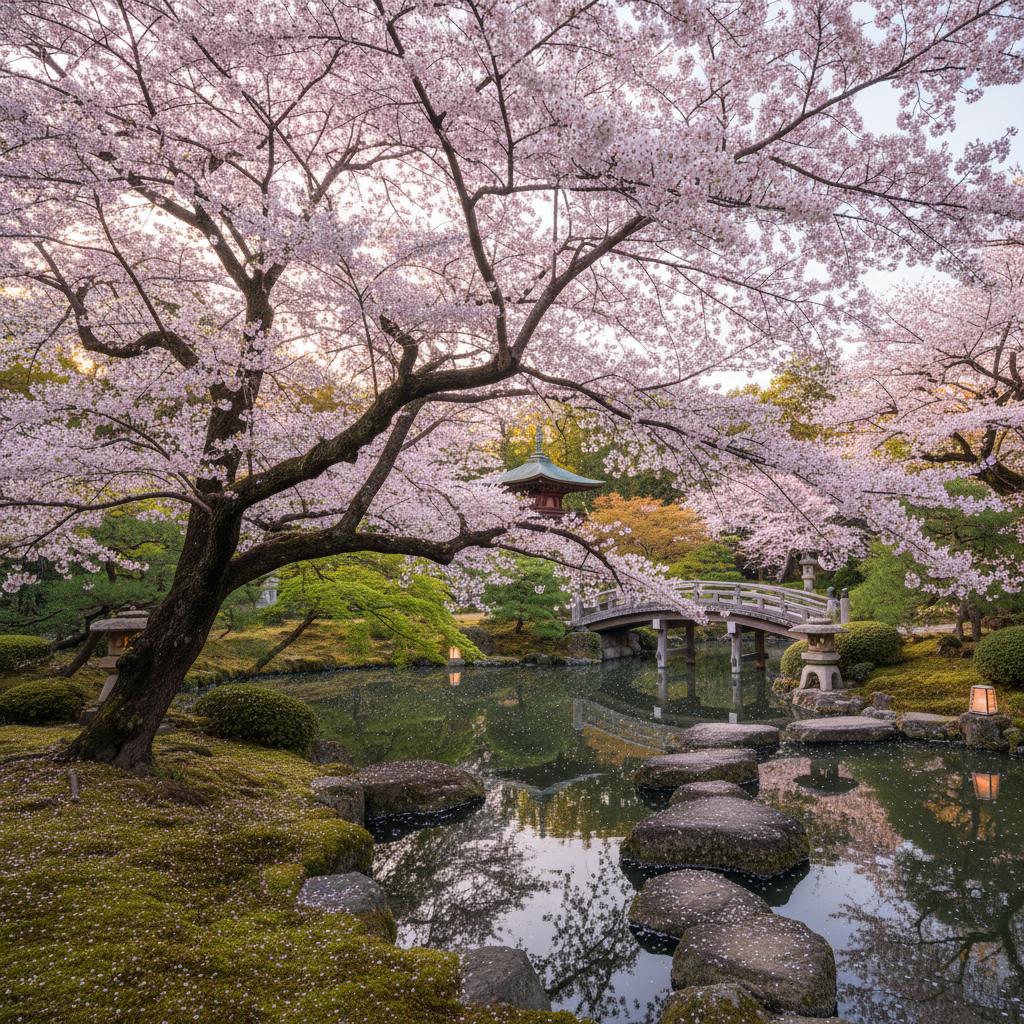
- Flowers: White, 1.5 - 2.5 cm across, 5 petals, solitary or in fascicles of 2-3, blooming before or alongside emerging leaves;
- Fruit: Fleshy drupe, variable in color (purple, blue, green, yellow) with a glaucous waxy bloom and a single hard, flattened stone;
- Bark: Dark brown to grayish, smooth on young branches, becoming fissured and scaly with age.
Care Guide
Water deeply once a week, increasing frequency during prolonged dry spells or active fruit swelling.
Apply a balanced nutrient source just before bud break to support new growth and flowering.. Avoid heavy nitrogen applications late in the season, which can spur vulnerable new growth before frost.
Banana Peel and Eggshell Mix:Bury chopped banana peels and crushed, rinsed eggshells in the soil around the tree's drip line. Avoid placing directly against the trunk to prevent rot. This supports fruit development and cell wall strength.- Prune in late winter while the tree is fully dormant to prevent the spread of silver leaf disease;
- Remove dead, diseased, or crossing branches to maintain an open center or modified leader structure;
- Thin out crowded fruiting spurs to encourage larger, healthier fruits;
- Remove water sprouts and root suckers promptly.
Toxicity
Warning: this plant may be toxic.
Pets: Toxic per ASPCA. Stems, leaves, and seeds contain cyanide, which can cause severe systemic toxicity or fatality if ingested.
Humans: Flesh is safe and edible. Seeds (pits), leaves, and stems contain cyanogenic glycosides which can cause cyanide poisoning if chewed and ingested in large quantities.
Garden Uses & Culture
Culture: In European folklore, plum trees were sometimes planted near homes to ward off evil spirits. The fruit is a historical staple in traditional British and European desserts, such as plum pudding and tarts.
Usage: - **Culinary**: Fruits are eaten fresh, dried into prunes, baked in pastries, or preserved as jams and jellies; - **Beverages**: Fermented and distilled into traditional European spirits like Slivovitz and plum brandy; - **Woodworking**: The hard, reddish-brown wood is occasionally used for turning and making musical instruments.