 PlantFun
Plant Needs
Characteristics
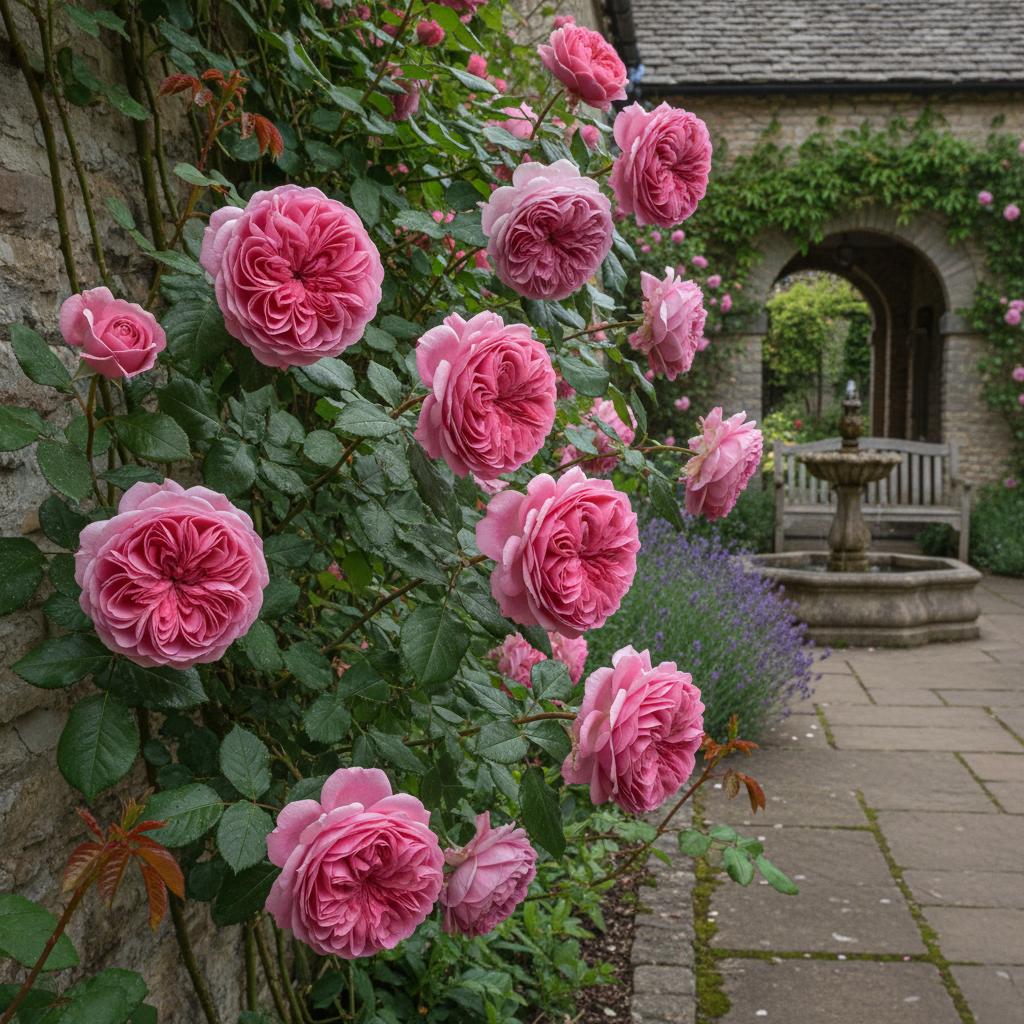
- Leaves: Pinnately compound, typically with 3-5 leaflets, broadly ovate to elliptic, margins serrate, glossy dark green above;
- Flowers: Solitary or in small corymbs, petals 5 to multiple (in double varieties), ranging in color from red, pink, to white, often fragrant;
- Stems: Erect or climbing, armed with curved prickles (thorns) used for defense and climbing support;
- Fruit: A fleshy hip, ovoid to pear-shaped, turning red or orange when ripe, containing multiple achenes.
Care Guide
Water deeply 2-3 times a week, avoiding overhead watering to prevent fungal diseases like black spot.
Apply a balanced, slow-release rose fertilizer as new growth appears.. Roses are heavy feeders; regular fertilization during the growing season is crucial for prolific blooming.
Banana Peel Tea:Steep chopped banana peels in water for 24-48 hours, strain, and use the liquid to water the base. Boosts blooming and root strength. Avoid leaving raw peels on the soil surface to prevent attracting pests.- Prune in late winter or early spring before new growth starts;
- Remove dead, diseased, or crossing branches to improve air circulation and light penetration;
- Cut back remaining healthy canes by about one-third, making cuts at a 45-degree angle just above an outward-facing bud;
- Deadhead spent flowers regularly during the blooming season to encourage reblooming.
Toxicity
Warning: this plant may be toxic.
Pets: Non-toxic per ASPCA; ingestion of leaves or petals causes no systemic toxicity.
Humans: Petals and hips are non-toxic and often used in culinary applications; thorns pose a mechanical puncture risk.
Garden Uses & Culture
Culture: In Western culture, the rose is the ultimate symbol of love, passion, and secrecy (sub rosa). It has been associated with Aphrodite and Venus in classical mythology. The Wars of the Roses in 15th-century England famously used white and red roses as heraldic badges for the rival houses of York and Lancaster.
Usage: Widely cultivated as an ornamental garden plant. Petals are used in perfumery and cosmetics. Rose hips are harvested for their high Vitamin C content to make teas, syrups, and jams.