 PlantFun
Plant Needs
Sunlight
Requires full sun to partial shade, thriving in bright, open positions.
Watering
Prefers moderate watering but is highly drought-tolerant once established; requires well-draining soil.
Temperature
Extremely cold hardy, preferring cool to temperate climates.
Characteristics
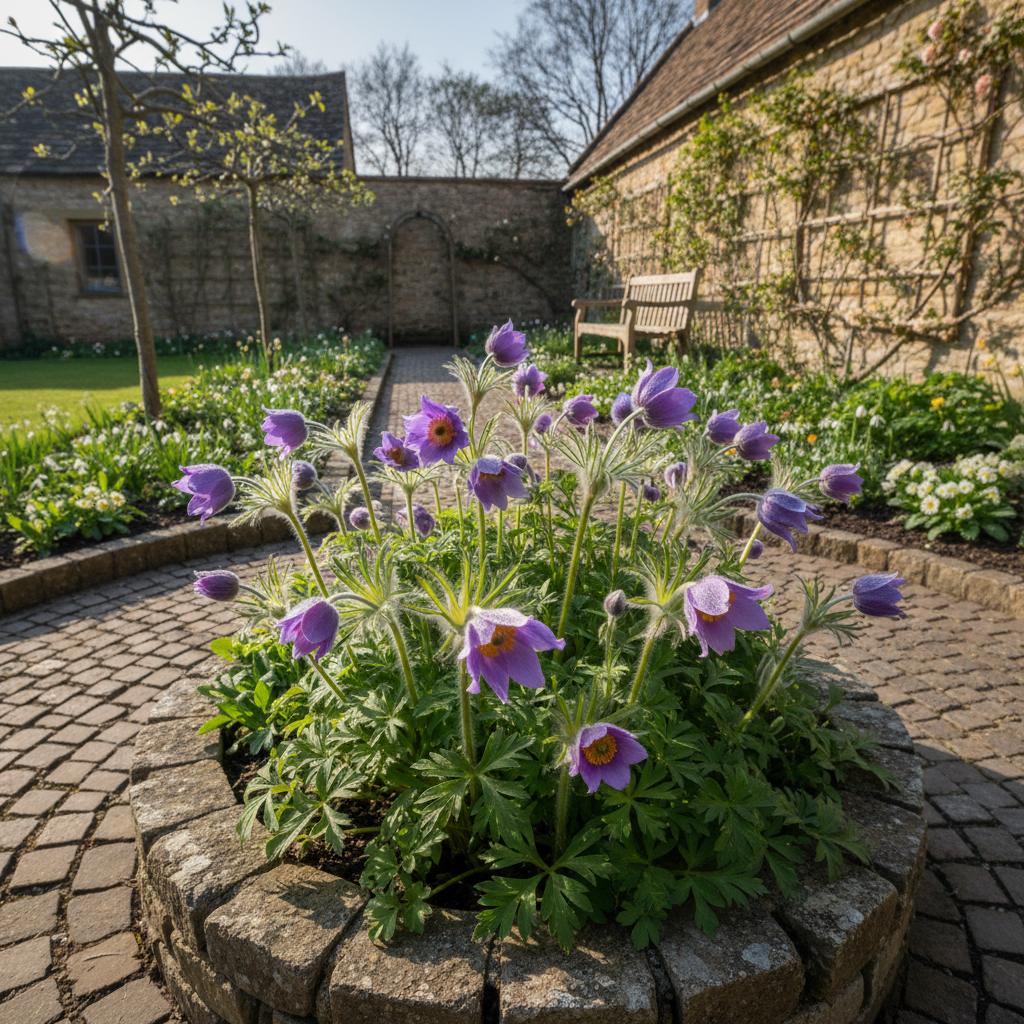
- Leaves: Finely dissected, fern-like, covered in soft, silvery hairs, emerging in basal rosettes;
- Flowers: Solitary, bell-shaped, typically purple (sometimes white or pink), with prominent golden-yellow stamens, blooming before or with the leaves;
- Fruit: Distinctive feathery, plume-like achenes that form a fluffy, persistent seed head after flowering.
Care Guide
Watering
Water moderately during active growth and blooming
Fertilization
Apply a light layer of compost or low-nitrogen organic fertilizer. Fertilize sparingly once a year in early spring.
Crushed Eggshells:Crush dried eggshells into a fine powder and sprinkle around the base in early spring to provide calcium and slightly raise soil pH, which this chalk-loving plant appreciates.Pruning
- Leave the feathery seed heads for visual interest;
- Cut back dead foliage in late autumn or early winter to tidy the plant;
- Avoid disturbing the deep taproot once established.
Toxicity
Warning: this plant may be toxic.
Pets & Humans
Pets: Toxic per ASPCA; ingestion causes vomiting, diarrhea, oral irritation, and hypersalivation.
Humans: Contains protoanemonin; ingestion causes severe gastrointestinal irritation, and contact with fresh sap can cause skin blistering.
Garden Uses & Culture
Culture: In European folklore, pasqueflowers were believed to spring from the blood of fallen Romans or Danes, and they are strongly associated with Easter (Pascha) due to their blooming time.
Usage: Primarily used as an ornamental plant in rock gardens, alpine houses, and spring borders.