 PlantFun
Plant Needs
Characteristics
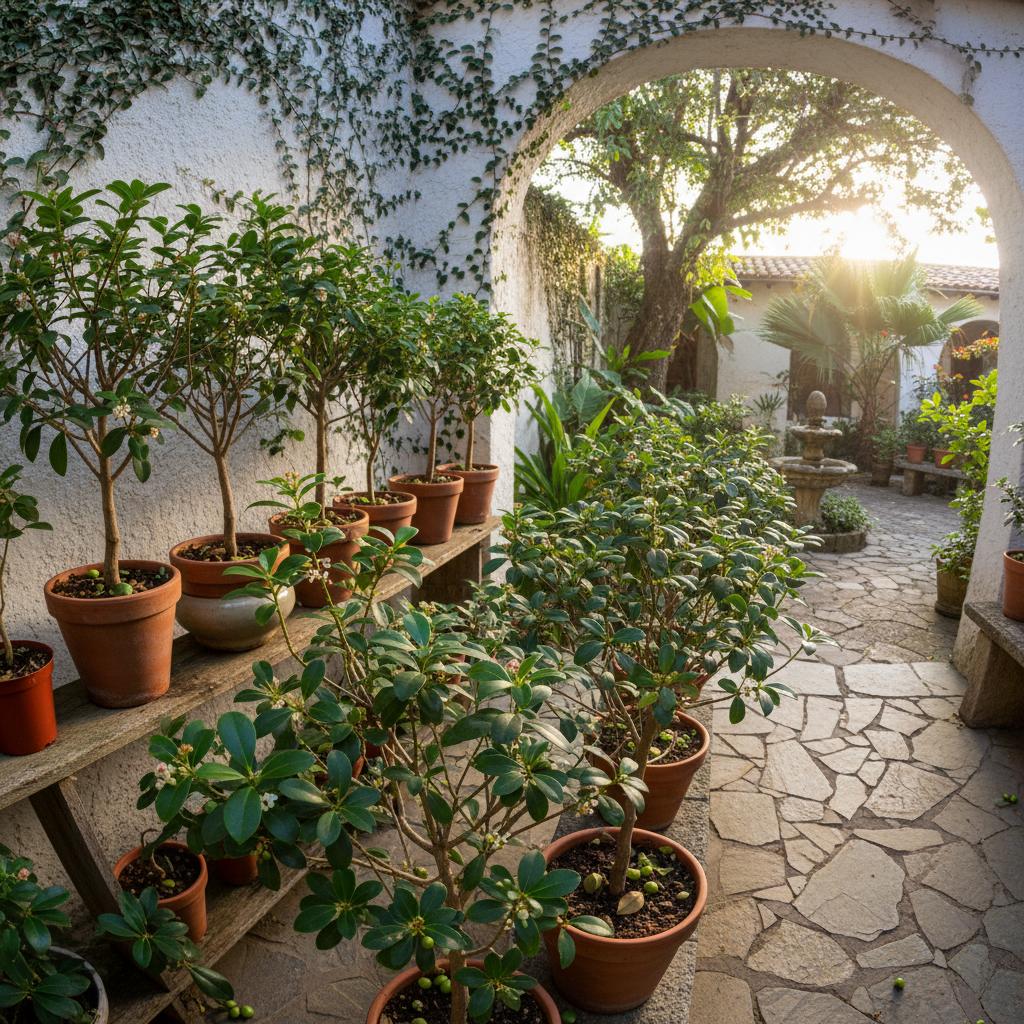
- Leaves: Opposite, lanceolate to elliptic, glossy green, new growth often reddish or coppery;
- Flowers: Small, white, fluffy with numerous stamens, borne directly on the main trunk and thick branches (cauliflory);
- Fruit: Globose berries, turning dark red to purplish-black when ripe, with a sweet, translucent, gelatinous pulp;
- Bark: Smooth, peeling in patches to reveal lighter patches of tan, green, and grey.
Care Guide
Water deeply and frequently to keep soil consistently moist.
Apply a balanced, acid-loving fertilizer to support new growth and blooms.. Requires regular feeding; sensitive to high salt accumulation.
Coffee Grounds and Banana Peels:Mix used coffee grounds into the topsoil to maintain slight acidity and provide gentle nitrogen. Soak banana peels in water for 24 hours and use the liquid to boost potassium for fruit development. Avoid applying thick layers of uncomposted material to prevent mold.- Thin out the interior canopy to allow sunlight and pollinators to reach the trunk;
- Remove dead, diseased, or crossing branches;
- Prune lightly after a fruiting cycle to maintain shape and size, especially for container-grown specimens.
Toxicity
Warning: this plant may be toxic.
Pets: Non-toxic to cats per ASPCA guidelines for related Myrtaceae edible species.
Humans: Fruits are edible and widely consumed.
Garden Uses & Culture
Culture: In South American culture, particularly in Brazil, the Jabuticaba tree is a beloved backyard staple, often associated with childhood memories of climbing the tree to eat fruit straight from the trunk.
Usage: - **Culinary**: Eaten fresh, or made into jams, jellies, wines, and liqueurs; - **Ornamental**: Highly valued as a landscape specimen and a popular subject for bonsai due to its peeling bark and trunk-fruiting habit.