 PlantFun
Plant Needs
Characteristics
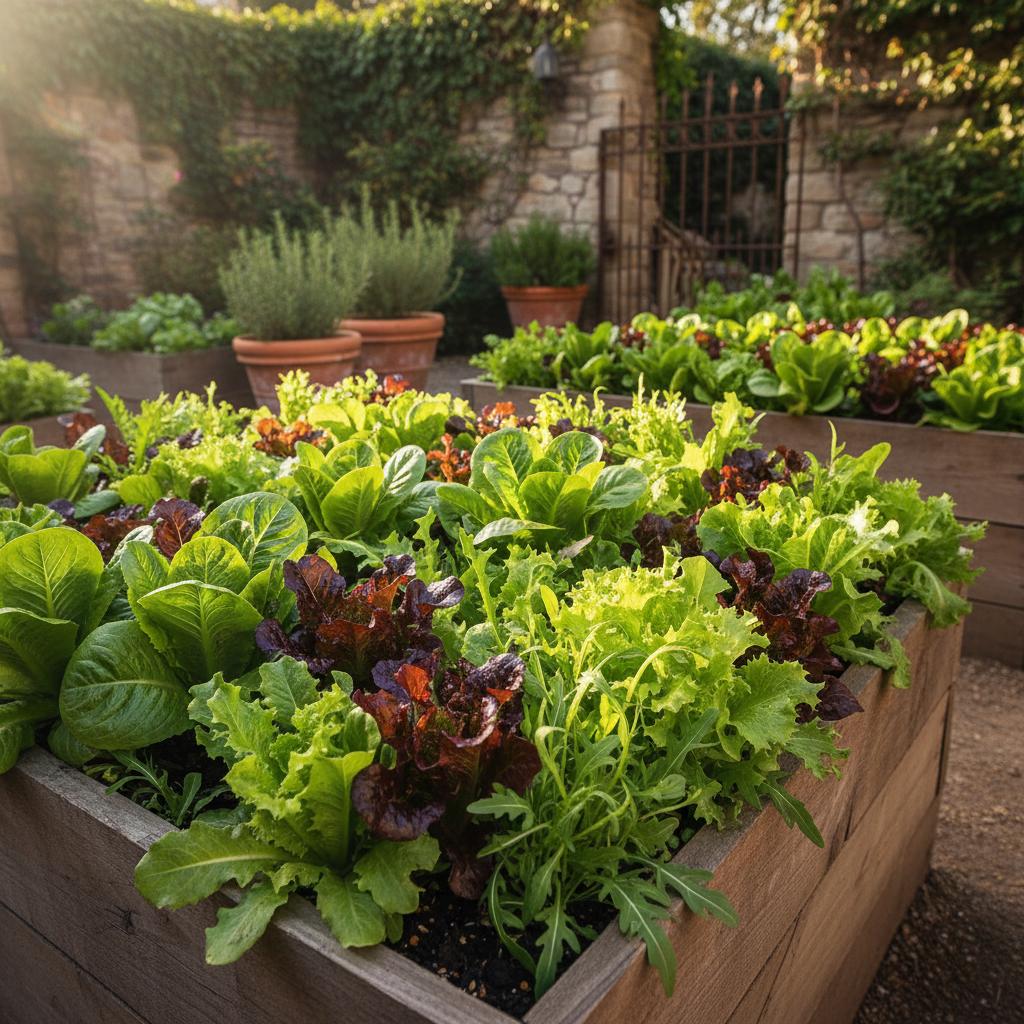
- Leaves: Harvested young, varying in shape from deeply lobed to smooth-edged, colors ranging from pale green to deep burgundy;
- Flowers: Small, pale yellow composite flower heads, rarely seen as the plant is harvested before bolting;
- Stem: Short basal rosette when young, elongating rapidly into a tall stalk if bolting occurs;
- Roots: Shallow, fibrous root system adapted to quick surface moisture uptake.
Care Guide
Water frequently to maintain even moisture, especially during dry spells.
Apply a light, nitrogen-rich organic feed to encourage leafy growth.. Requires minimal fertilization if planted in nutrient-rich soil; focus on nitrogen for foliage.
Coffee Grounds Tea:Steep used coffee grounds in water overnight, strain, and use the liquid to water the plants. This provides a gentle nitrogen boost for leafy growth. Avoid applying thick layers of uncomposted grounds directly to the soil surface to prevent mold.- Harvest outer leaves continuously (cut-and-come-again method) when they reach 10-15 cm;
- Leave the central crown intact to allow for regrowth;
- Remove any yellowing or damaged leaves immediately to maintain airflow;
- Pull the entire plant if it begins to bolt (send up a tall flower stalk), as leaves will become bitter.
Toxicity
Warning: this plant may be toxic.
Pets: Non-toxic to cats per ASPCA.
Humans: Safe for human consumption; widely cultivated as an edible salad green.
Garden Uses & Culture
Culture: Originating in the Provence region of southern France, farmers traditionally mixed the tenderest young leaves of various greens for early spring salads, a practice that became a staple of French culinary gardens.
Usage: - Culinary: Consumed fresh in salads, sandwiches, and as a delicate garnish; - Companion Planting: Often grown alongside carrots, radishes, and alliums to maximize garden space.