 PlantFun
Plant Needs
Characteristics
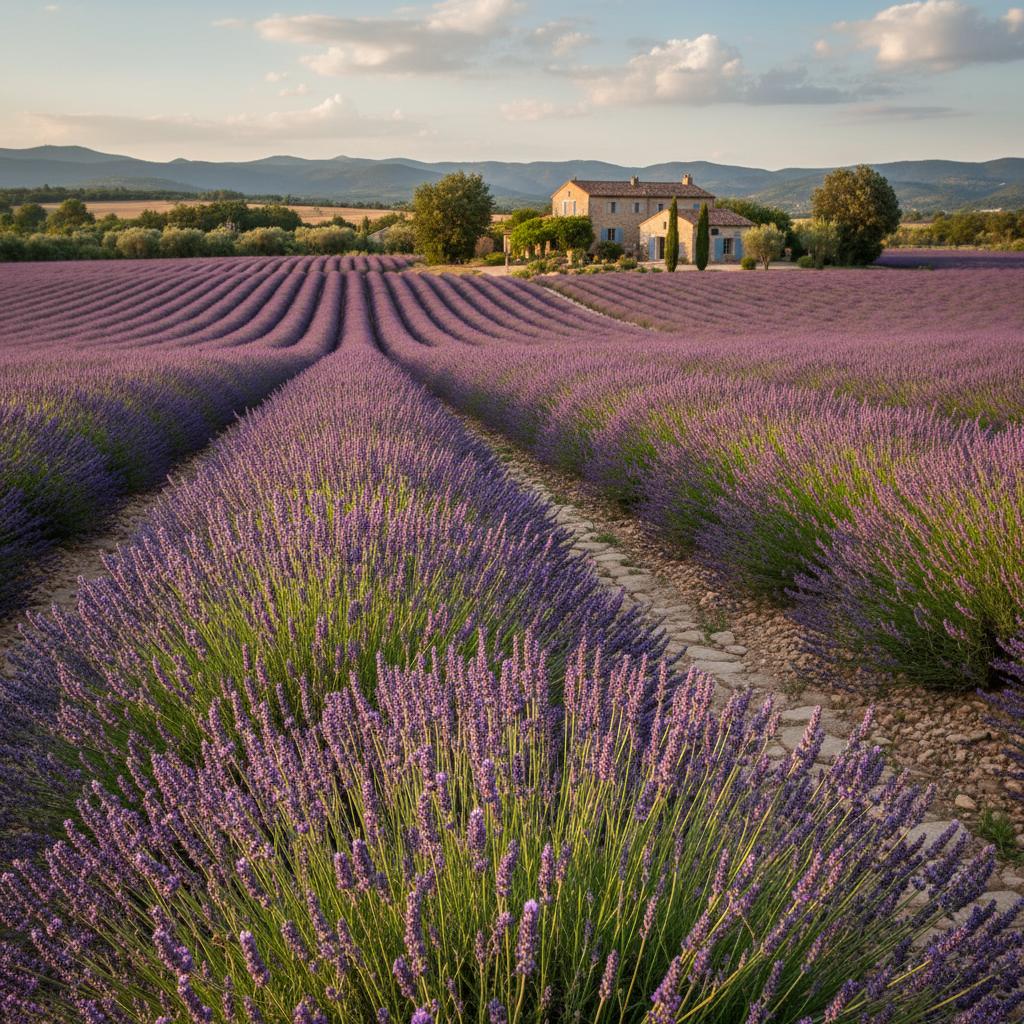
- Leaves: Evergreen, linear to lanceolate, 2-6 cm long, silvery-green, covered in fine stellate hairs that conserve moisture;
- Flowers: Terminal spikes of tubular, two-lipped flowers, typically violet-blue to purple, highly aromatic and attractive to pollinators;
- Stem: Square-shaped in cross-section, woody at the base and herbaceous, green, and upright on new growth;
- Roots: Deep, fibrous root system adapted to rocky, well-draining soils.
Care Guide
Water deeply but infrequently, allowing the top few inches of soil to dry out completely between waterings.
Apply a light top-dressing of compost; avoid high-nitrogen fertilizers which promote weak, floppy growth.. Lavender thrives in poor soils and generally requires very little to no supplemental feeding.
Crushed Eggshells:Crush clean, dry eggshells into a fine powder and sprinkle around the base to provide calcium and slightly raise soil pH. Avoid high-nitrogen materials like coffee grounds.- Prune immediately after the first flush of flowers fades to maintain a compact, mounded shape;
- Cut back foliage by about one-third in late summer or early spring, but never cut down into old, leafless brown wood;
- Remove dead or diseased branches in early spring to improve air circulation and light penetration.
Toxicity
Warning: this plant may be toxic.
Pets: Toxic (per ASPCA); contains linalool and linalyl acetate which can cause gastrointestinal upset.
Humans: Generally safe for humans; flowers are used in culinary applications, though ingesting large amounts of concentrated essential oil can cause stomach upset.
Garden Uses & Culture
Culture: In Victorian England, lavender was a symbol of devotion and cleanliness, widely used by royalty to scent linens, perfume baths, and ward off moths in wardrobes.
Usage: - **Culinary**: Used in Herbes de Provence, baked goods, syrups, and teas; - **Aromatherapy**: Essential oils are extracted for calming, stress-relief, and sleep-inducing properties; - **Ornamental**: Excellent for borders, rock gardens, and attracting bees and butterflies.