 PlantFun
Plant Needs
Characteristics
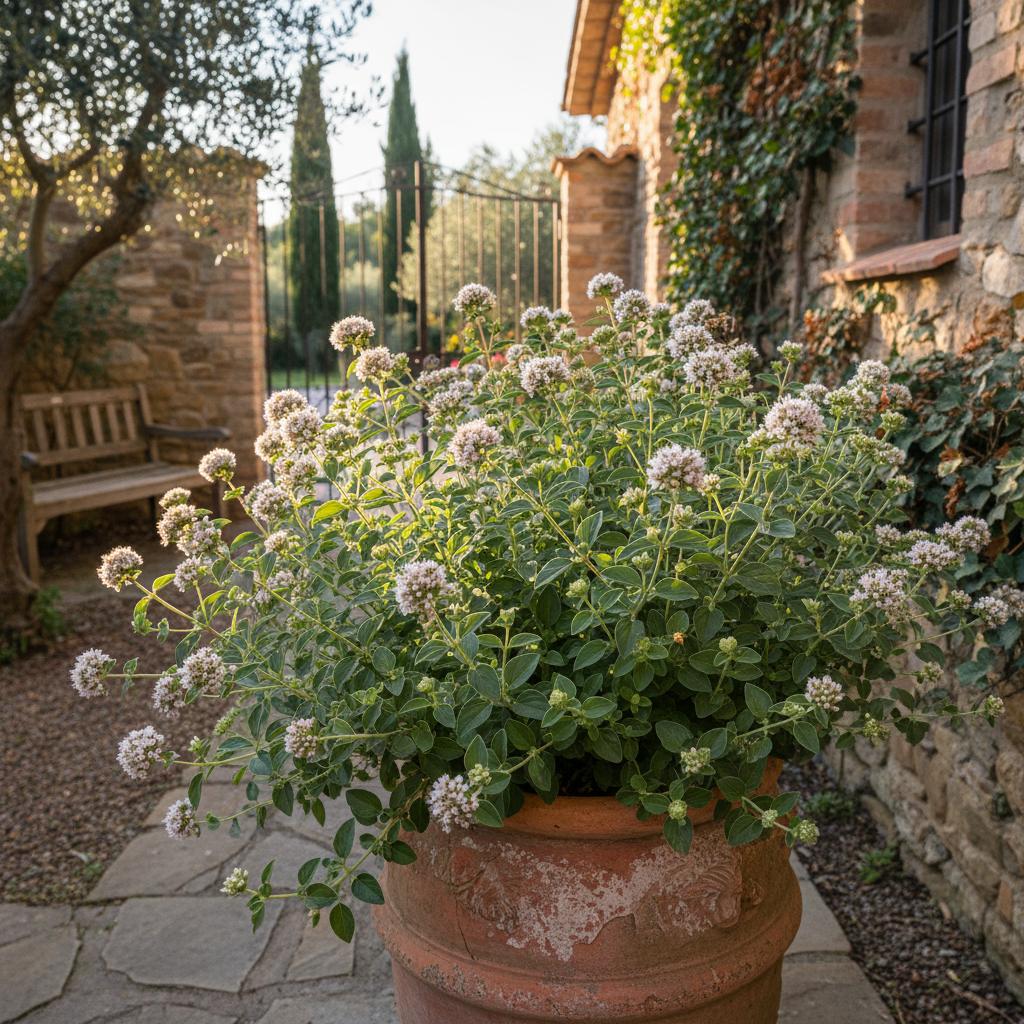
- Leaves: Small, ovate to rounded, light green, highly aromatic, arranged oppositely on square stems;
- Flowers: Tiny, white to pale pink, tubular flowers clustered in knot-like spikes at the stem tips;
- Stems: Square, slightly woody at the base, upright to trailing habit.
Care Guide
Water moderately, allowing soil to dry between waterings.
Apply a light, balanced organic fertilizer once as new growth appears.. Requires minimal feeding; poor to average soils often produce the most flavorful leaves.
Eggshell Powder:Crush dried, rinsed eggshells into a fine powder and mix into the topsoil. This provides a slow-release calcium boost and slightly raises soil pH, which Mediterranean herbs appreciate. Avoid using raw, unrinsed shells to prevent odors.- Pinch back growing tips regularly during the spring to encourage a bushy, compact habit;
- Harvest leaves frequently to promote continuous new growth;
- Cut the plant back by one-third after flowering to maintain shape and prevent it from becoming woody.
Toxicity
Warning: this plant may be toxic.
Pets: Mildly toxic to cats per ASPCA due to gastrointestinal irritants in the essential oils.
Humans: Safe for human consumption; widely used as a culinary herb.
Garden Uses & Culture
Culture: In ancient Greece and Rome, oregano and marjoram were symbols of joy and happiness, often woven into crowns for bridal couples to ensure a joyful marriage.
Usage: - **Culinary**: Widely used in Italian, Greek, and Mediterranean cuisines for flavoring meats, sauces, and vegetables; - **Garden**: Excellent border plant, container herb, and attractant for bees and butterflies.