 PlantFun
Plant Needs
Characteristics
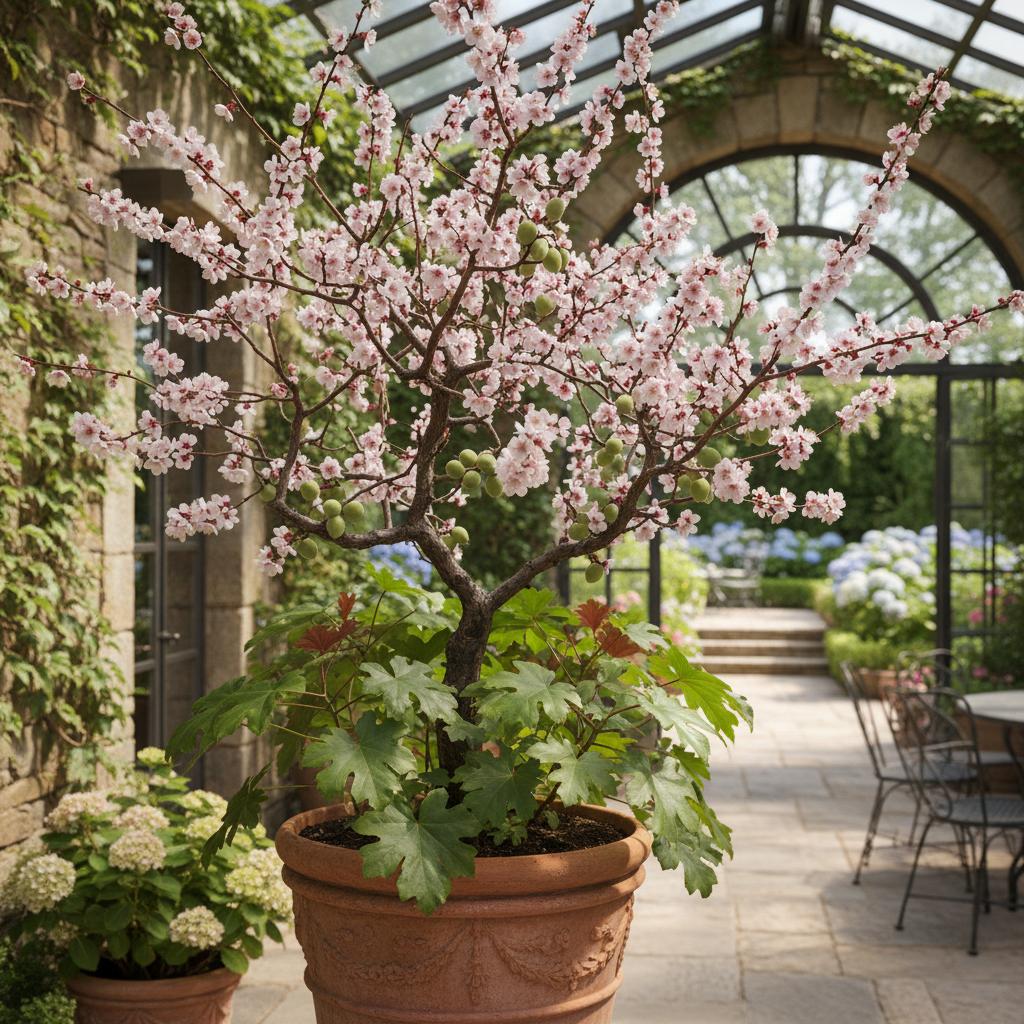
- Leaves: Alternate, simple, ovate to elliptic with finely serrated margins, vibrant green turning yellow in autumn;
- Flowers: Five-petaled, white to pale pink, blooming profusely along the branches before leaves emerge;
- Fruit: Resembles an apricot with slightly fuzzy orange skin and a red blush; flesh is dense, sweet, and juicy with a freestone or semi-freestone pit;
- Bark: Dark brown to grayish, developing prominent horizontal lenticels and slight fissuring with age.
Care Guide
Water deeply once a week, increasing frequency during extreme heat or fruit swell.
Apply a balanced fertilizer just as buds begin to swell.. Avoid heavy nitrogen applications late in the season, as this promotes vulnerable new growth before frost.
Banana Peel Tea:Steep chopped banana peels in water for 24-48 hours. Dilute the liquid 1:1 with water and pour around the drip line of the tree to support blooming and fruit development. Discard the solid peels in a compost bin to avoid attracting pests.- Timing: Prune in late winter or early spring while the tree is still dormant;
- Structure: Train to an open-center (vase) shape to allow sunlight and air circulation into the canopy;
- Maintenance: Remove dead, diseased, or crossing branches;
- Thinning: Thin out young fruit in early summer to prevent branch breakage and encourage larger, sweeter individual fruits.
Toxicity
Warning: this plant may be toxic.
Pets: Toxic per ASPCA. Stems, leaves, and seeds contain cyanide, which is highly toxic to cats. The fleshy fruit itself is not the primary concern, but the pit is dangerous.
Humans: The fleshy fruit is completely safe and edible. However, the seeds (pits), leaves, and stems contain cyanogenic glycosides which can be toxic if chewed and ingested in large quantities.
Garden Uses & Culture
Culture: Represents modern agricultural innovation in the United States, showcasing the successful blending of traditional orchard fruits to create new, complex flavor profiles for home gardeners and commercial growers alike.
Usage: Primarily grown for its delicious edible fruit, which is excellent for fresh eating, baking, making jams, and drying. Also serves as an attractive ornamental blossoming tree in spring.