 PlantFun
Plant Needs
Sunlight
Requires full sun for optimal growth and head formation.
Watering
Keep soil consistently moist but not waterlogged.
Temperature
Prefers cool weather; tolerates light frosts well.
Characteristics
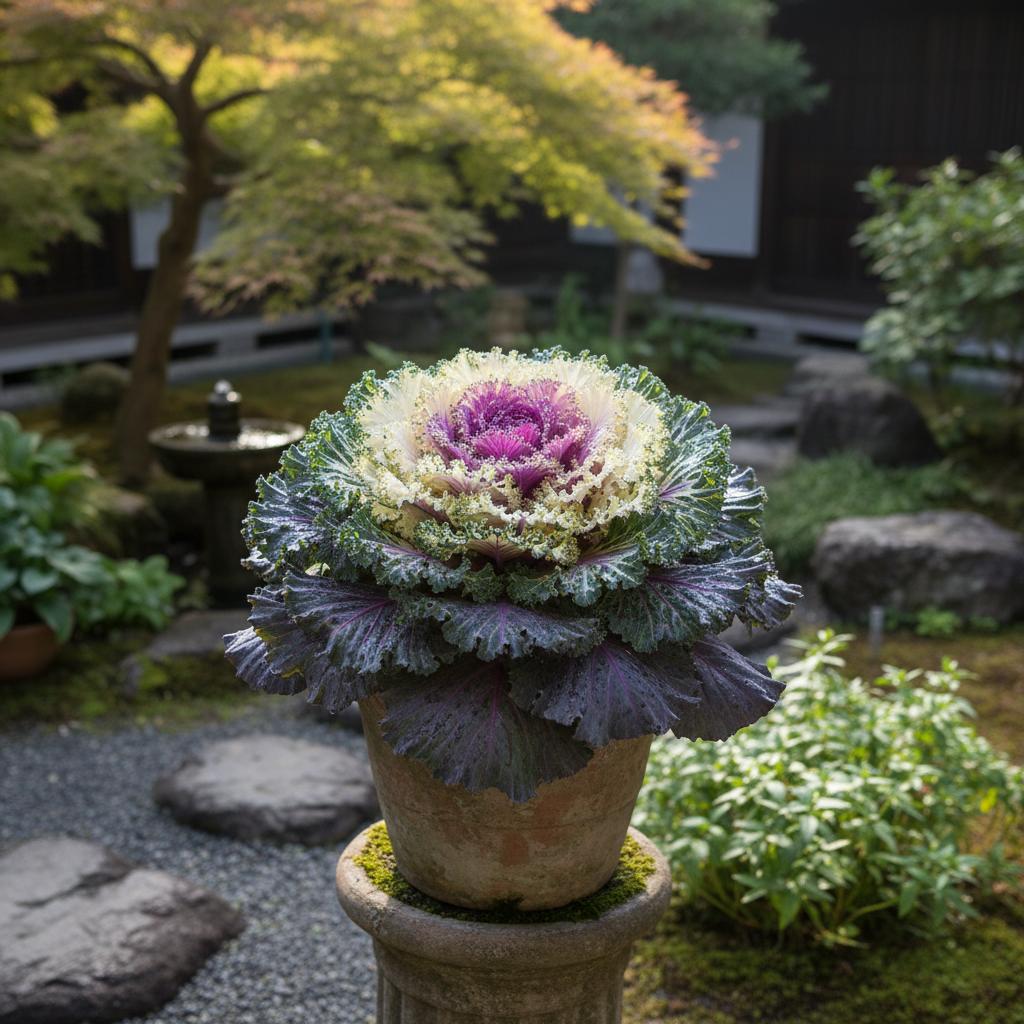
- Leaves: Thick, fleshy, glaucous (bluish-green) leaves, often forming a dense rosette or head depending on the cultivar;
- Flowers: Cross-shaped (cruciferous) with four yellow petals, borne in racemes;
- Stem: Stout, unbranched or branched, becoming woody at the base in older plants;
- Fruit: A silique, long and narrow, containing multiple small, round seeds.
Care Guide
Watering
Water deeply 2-3 times a week during active growth.
Fertilization
Apply balanced organic fertilizer before planting.. Heavy feeders; require consistent nutrients.
Coffee Grounds and Eggshells:Mix used coffee grounds and crushed eggshells into the topsoil to provide gentle nitrogen and calcium, which helps prevent tipburn. Avoid applying too thickly to prevent mold.Pruning
- Remove yellowing or pest-damaged lower leaves to improve airflow;
- Harvest heads or leaves promptly to encourage further production (in loose-leaf varieties);
- Pull the entire plant after it bolts (goes to seed) unless saving seeds.
Toxicity
Warning: this plant may be toxic.
Pets & Humans
Pets: Non-toxic per ASPCA, though large amounts of raw leaves may cause mild gastrointestinal upset.
Humans: Generally safe and widely consumed as a vegetable.
Garden Uses & Culture
Culture: Historically a staple of European peasant diets, symbolizing resilience and sustenance through harsh winters.
Usage: Widely cultivated as a food crop (cabbage, broccoli, Brussels sprouts, kale); sometimes used as ornamental cabbage in fall landscaping.