 PlantFun
Plant Needs
Characteristics
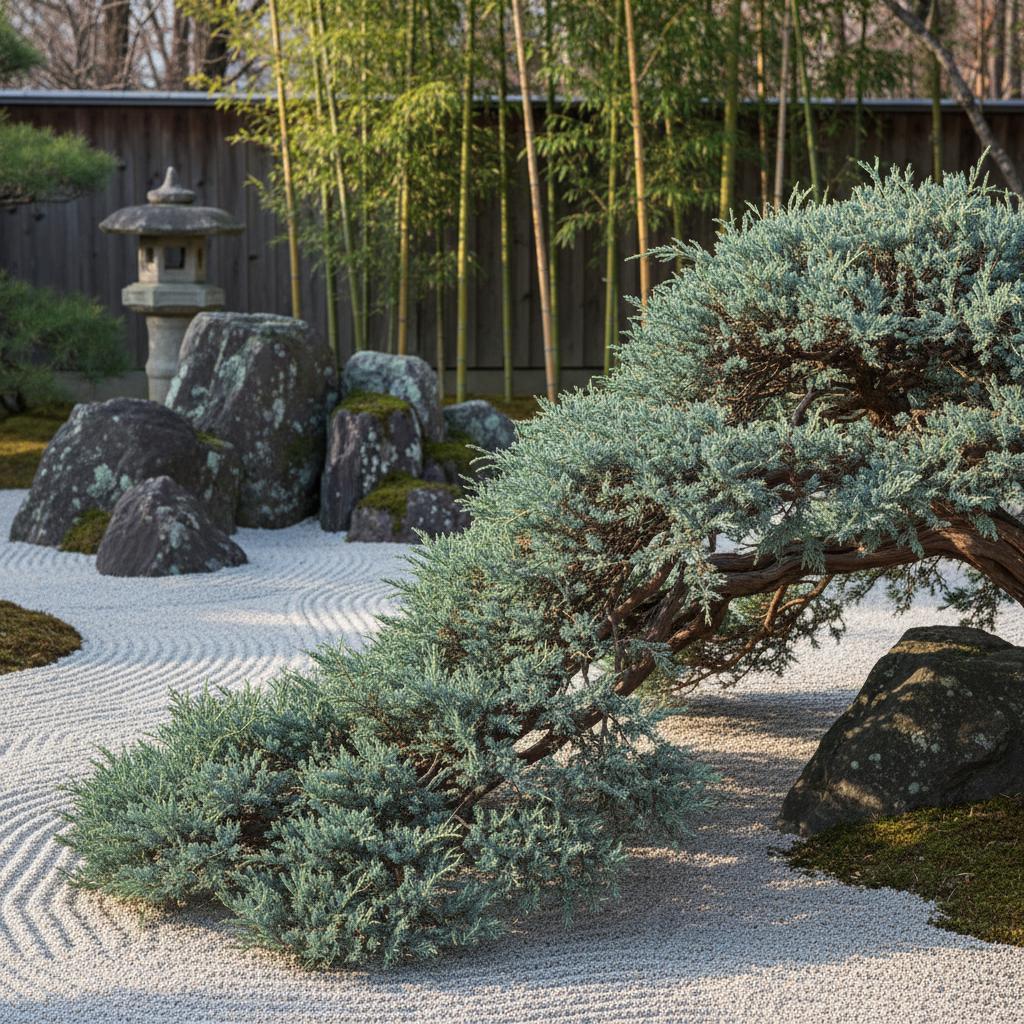
- Leaves: Evergreen, needle-like, 5-15 mm long, arranged in whorls of three, sharp-pointed with a single prominent white stomatal band on the inner surface;
- Cones: Dioecious; seed cones are berry-like, initially green, maturing in 18 months to purplish-black with a blue waxy bloom, 4-9 mm in diameter;
- Bark: Reddish-brown, peeling in thin, papery vertical strips on mature stems.
Care Guide
Water newly planted junipers weekly. Once established, water only during prolonged dry spells.
Apply a light layer of compost or a mild organic feed at the base before new growth starts.. Junipers require very little fertilizer; over-fertilizing can lead to weak, leggy growth.
Coffee Ground Compost Tea:Steep a small amount of used coffee grounds and vegetable scraps in water for a few days, strain, and dilute 1:4 with water. Apply to the base in early spring. Avoid high-salt food waste and use sparingly to prevent excessive soil acidity.- Timing: Prune in late winter or early spring before new growth begins;
- Technique: Selectively thin out crowded branches to improve air circulation and light penetration;
- Caution: Never cut back into old, dead wood (brown stems with no green needles), as junipers rarely produce new buds from old wood.
Toxicity
Warning: this plant may be toxic.
Pets: Mildly toxic per ASPCA; ingestion of needles or large amounts of berries may cause gastrointestinal upset.
Humans: Generally safe in small culinary amounts, but consuming large quantities of berries can cause gastrointestinal irritation and kidney strain.
Garden Uses & Culture
Culture: In European folklore, juniper branches were traditionally hung over doorways to protect against witches and evil spirits, and the wood was burned to cleanse the air during times of plague.
Usage: The mature, dark seed cones (juniper berries) are the primary flavoring agent in gin. The wood is aromatic and used for carving, turning, and smoking meats.