 PlantFun
Plant Needs
Sunlight
Requires full sun for optimal growth and head development.
Watering
Keep soil consistently moist but not waterlogged.
Temperature
Prefers cooler climates and can tolerate light frosts.
Characteristics
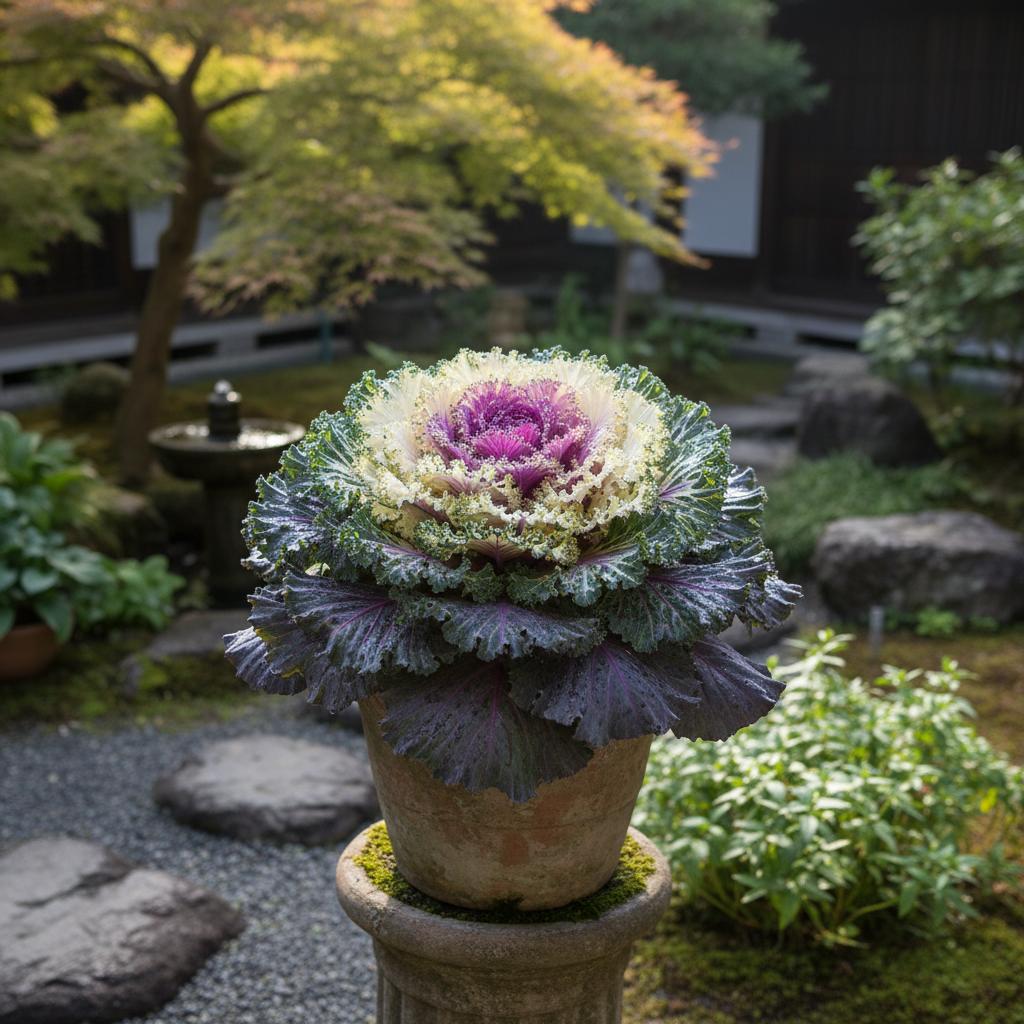
- Leaves: Thick, fleshy, glaucous (bluish-green) leaves, often forming a dense rosette or head depending on the cultivar;
- Flowers: Cross-shaped (cruciferous) with four yellow petals, borne in racemes during the second year of growth;
- Stem: Stout, unbranched in the first year, elongating to bear flowers in the second year;
- Fruit: A silique, long and narrow, containing multiple small, round seeds.
Care Guide
Watering
Water regularly to keep soil evenly moist, especially during head formation.
Fertilization
Apply a balanced or nitrogen-rich fertilizer to promote leafy growth.. Heavy feeders that benefit from regular nutrient supplementation during the growing season.
Coffee Ground and Eggshell Mix:Mix used coffee grounds and crushed eggshells into the topsoil. Coffee grounds provide nitrogen for leafy growth, while eggshells supply calcium to prevent tip burn. Avoid over-application to maintain neutral soil pH.Pruning
- Remove yellowing or damaged lower leaves to improve air circulation and prevent disease;
- Harvest heads or leaves promptly to encourage further growth in cut-and-come-again varieties;
- Remove caterpillars or pests manually when inspecting leaves.
Toxicity
Warning: this plant may be toxic.
Pets & Humans
Pets: Non-toxic to cats per ASPCA.
Humans: Edible and highly nutritious, widely consumed globally.
Garden Uses & Culture
Culture: Deeply embedded in European agricultural history, cabbage and its relatives have long symbolized humble sustenance, resilience, and peasant survival during harsh winters in Western folklore.
Usage: Widely used as a staple vegetable globally; rich in vitamins C and K, and dietary fiber. Cultivars include kale, broccoli, cauliflower, Brussels sprouts, and kohlrabi.