 PlantFun
Plant Needs
Characteristics
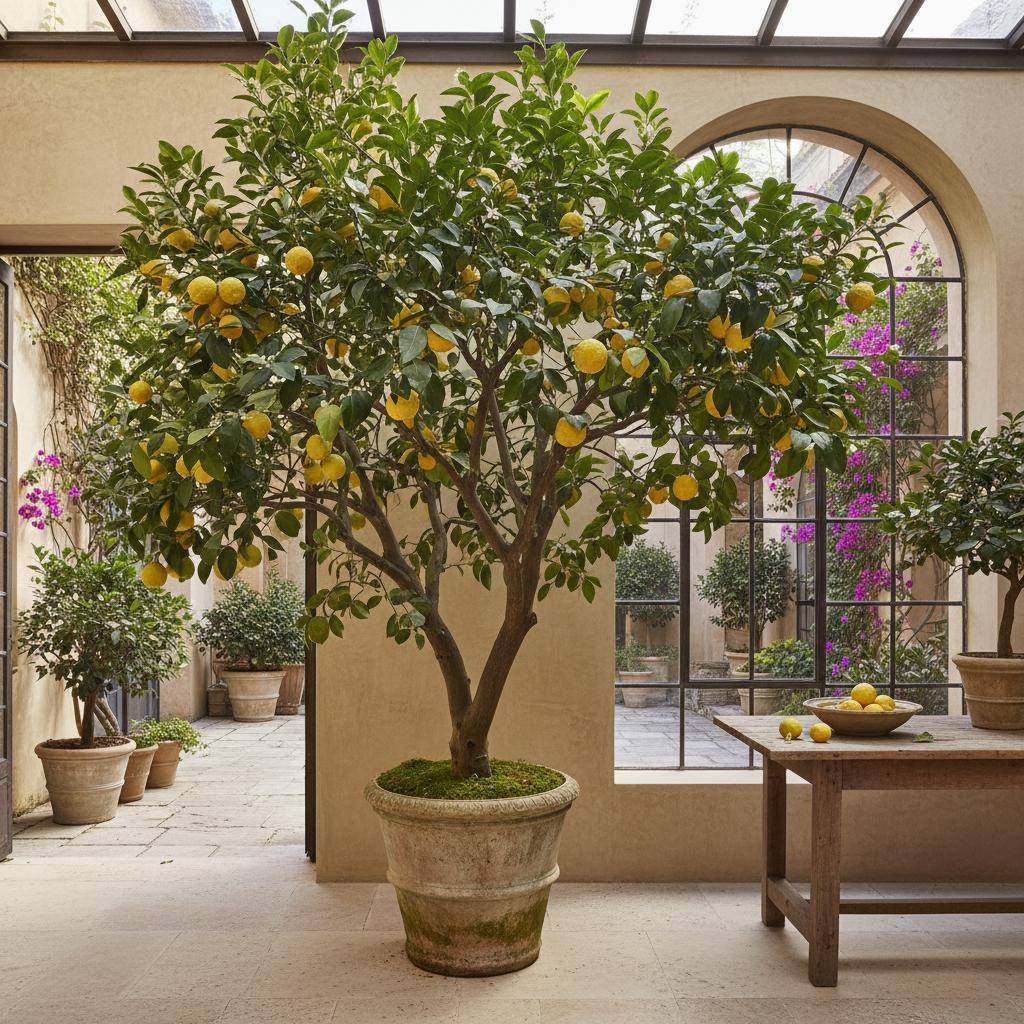
- Leaves: Evergreen, lanceolate to ovate, dark green and glossy above, featuring a distinctively large, winged petiole;
- Flowers: Small, white, solitary or in small clusters, highly fragrant, with 5 petals and numerous stamens;
- Fruit: Globose to oblate, 5.5 - 7.5 cm in diameter, with an uneven, pebbled rind that ripens from green to golden-yellow;
- Stems: Branches are armed with sharp, stout thorns.
Care Guide
Water deeply when the topsoil feels dry, typically 1-2 times a week depending on heat.
Apply a nitrogen-rich citrus fertilizer as new growth appears.. Feed regularly during the active growing season, tapering off in late summer to prevent tender new growth before frost.
Coffee Grounds:Sprinkle a thin layer of used, cooled coffee grounds around the drip line and scratch into the soil. Avoid thick clumps to prevent mold growth. This provides gentle nitrogen and helps maintain the slightly acidic pH citrus trees love.- Prune in late winter or early spring before new growth starts;
- Remove dead, diseased, or crossing branches to improve air circulation and light penetration;
- Wear heavy gloves to protect against sharp thorns;
- Trim off any suckers growing from below the graft union.
Toxicity
Warning: this plant may be toxic.
Pets: Toxic per ASPCA due to essential oils (limonene, linalool) and psoralens.
Humans: Fruit is edible and safe for consumption; skin contact with peel oils followed by UV exposure may cause mild irritation in rare cases.
Garden Uses & Culture
Culture: Highly prized in Western haute cuisine and modern perfumery, celebrated by chefs and mixologists across Europe and the Americas for its complex, floral-tart profile.
Usage: Zest and juice are heavily utilized in gourmet sauces, dressings, cocktails, and desserts; essential oils are extracted for high-end fragrances and cosmetics.