 PlantFun
Plant Needs
Characteristics
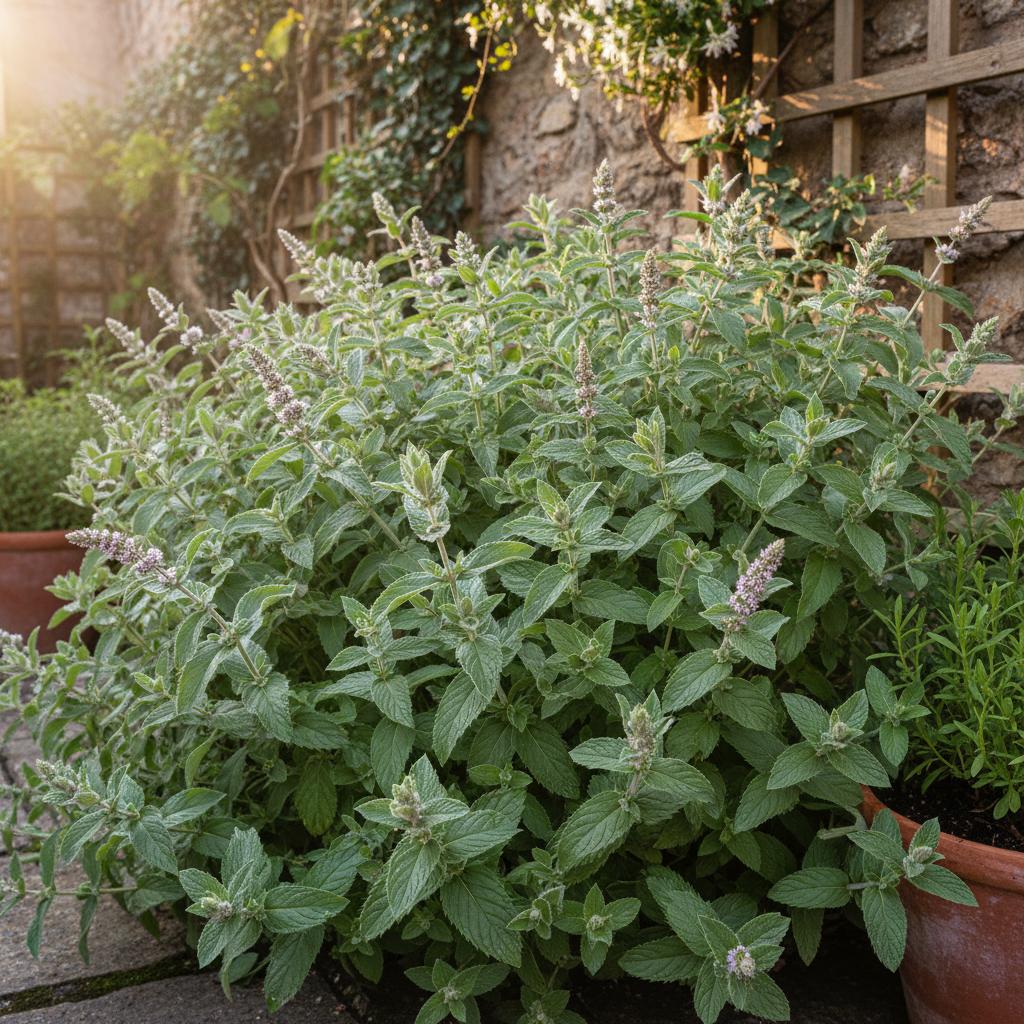
- Leaves: Opposite, ovate to rounded, softly hairy (villous) on both sides, with serrated margins and a bright green color, emitting a warm, mild mint aroma;
- Flowers: Small, pale purple to pinkish-white, arranged in dense terminal spikes;
- Stems: Square in cross-section, green to purplish, spreading vigorously via underground rhizomes and surface stolons.
Care Guide
Water frequently to keep the soil evenly moist, especially during hot, dry spells.
Apply a balanced, water-soluble fertilizer once new growth appears.. Avoid over-fertilizing, which can cause rapid growth but dilute the essential oils and flavor of the leaves.
Used Coffee Grounds:Sprinkle a thin layer of used, cooled coffee grounds onto the soil surface and scratch it in lightly. This provides a gentle nitrogen boost for lush foliage. Avoid thick layers to prevent mold growth.- Pinching: Pinch back the growing tips regularly to encourage a bushier, more compact plant;
- Harvesting: Harvest leaves frequently to promote new, flavorful growth;
- Containment: Prune wandering runners to prevent the plant from overtaking garden beds;
- Winter Prep: Cut the stems down to the ground in late autumn after the foliage dies back.
Toxicity
Warning: this plant may be toxic.
Pets: Toxic to cats per ASPCA; essential oils can cause gastrointestinal irritation.
Humans: Safe for human consumption; widely used in culinary applications and beverages.
Garden Uses & Culture
Culture: Deeply intertwined with Cuban cocktail culture, this specific mint is the authentic and traditional choice for crafting the classic Mojito in Havana, prized for its mild, warm flavor that lacks the sharp bite of peppermint.
Usage: - **Culinary**: Essential for Mojitos, also excellent in teas, fruit salads, and as a garnish; - **Aromatic**: Crushed leaves release a pleasant scent used in potpourri or natural room freshening.