 PlantFun
Plant Needs
Characteristics
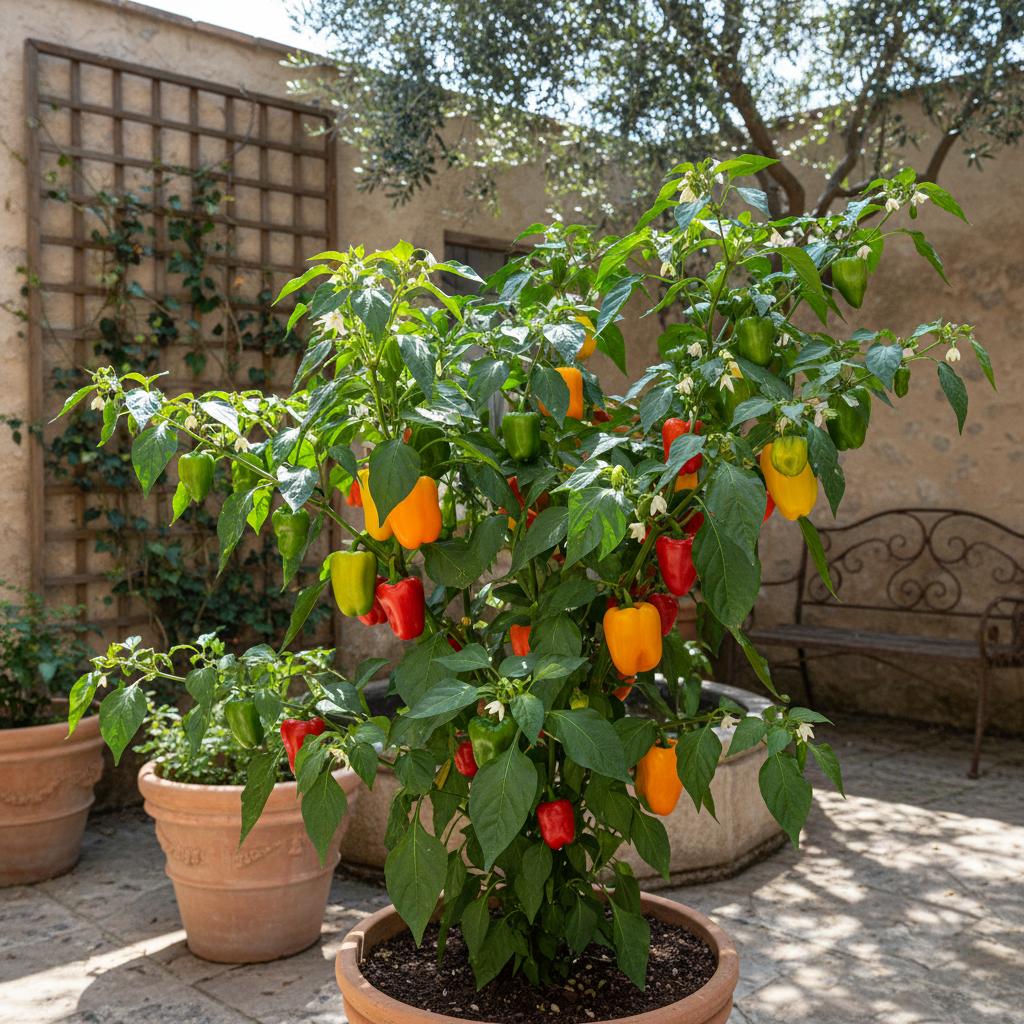
- Leaves: Alternate, simple, ovate to lanceolate, 4-12 cm long, with entire margins and a smooth surface;
- Flowers: Solitary or in small clusters, bell-shaped, typically white or greenish-white with 5-6 petals and prominent stamens;
- Fruit: Hollow berries varying greatly in size, shape, and color (green, red, yellow, orange, purple), containing numerous flat, pale seeds attached to a central placenta;
- Stem: Herbaceous to semi-woody at the base, branching dichotomously as it grows.
Care Guide
Water deeply and regularly, especially during flowering and fruit set.
Apply a balanced fertilizer to encourage leafy growth.. Avoid excessive nitrogen, which promotes foliage at the expense of fruit.
Banana Peel Tea:Soak chopped banana peels in water for 24-48 hours. Dilute 1:1 with water and apply to the base of the plant to promote flowering and fruiting. Discard peels in compost to avoid attracting pests.- Pinch off early flowers on young plants to encourage stronger root and canopy growth;
- Remove lower leaves touching the soil to improve airflow and prevent fungal diseases;
- Prune dead or diseased branches promptly to maintain plant health.
Toxicity
Warning: this plant may be toxic.
Pets: Toxic per ASPCA. Ingestion can cause gastrointestinal irritation and oral discomfort.
Humans: Capsaicin (present in hot varieties) can cause skin and eye irritation, and gastrointestinal upset if consumed in large quantities.
Garden Uses & Culture
Culture: Deeply embedded in Mesoamerican history and later adopted into global cuisines post-Columbian exchange, symbolizing warmth, protection, and vitality in various Western culinary traditions.
Usage: - **Culinary**: Consumed raw, cooked, dried, or powdered as a vegetable and spice; - **Medicinal**: Capsaicin is extracted for topical pain relief creams; - **Agricultural**: Used as a natural pest deterrent in gardens.