 PlantFun
Plant Needs
Sunlight
Requires full sun for optimal fruit production and disease resistance.
Watering
Keep soil consistently moist but not waterlogged; water at the base to prevent foliage diseases.
Temperature
Thrives in warm weather; highly sensitive to frost.
Characteristics
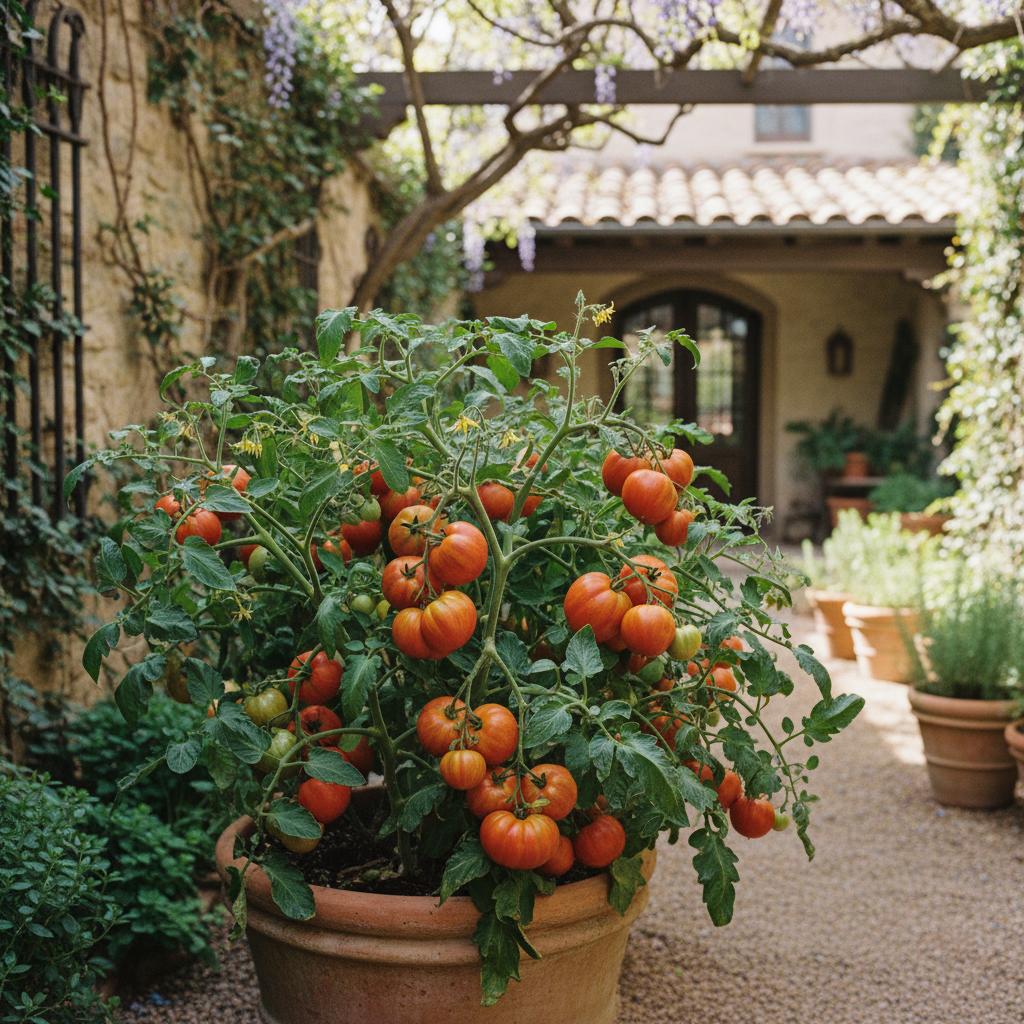
- Leaves: Pinnately compound, alternate, covered with glandular hairs that emit a distinct tomato scent;
- Flowers: Small, yellow, star-shaped with five fused petals, borne in cymes;
- Fruit: Large, slightly ribbed, red slicing tomato, typically weighing 10-11 ounces;
- Stem: Vining (indeterminate), green, covered in fine trichomes that can develop into adventitious roots if buried.
Care Guide
Watering
Water deeply 2-3 times a week, adjusting for rainfall and heat.
Fertilization
Apply a balanced fertilizer at planting.. Regular feeding is essential for heavy fruit production.
Banana Peel Tea:Soak chopped banana peels in water for 48 hours. Dilute 1:1 with water and apply to the base of the plant to boost flowering and fruiting. Avoid applying directly to leaves and ensure peels are fully submerged to prevent odors.Pruning
- Pinch off suckers (side shoots) in the axils of leaves to encourage larger fruit;
- Remove lower leaves touching the soil to prevent blight and fungal diseases;
- Stake or cage the indeterminate vines for support as they grow.
Toxicity
Warning: this plant may be toxic.
Pets & Humans
Pets: Toxic (per ASPCA). Ingestion of leaves/stems can cause hypersalivation, severe gastrointestinal upset, depression, weakness, and dilated pupils.
Humans: Leaves and green parts contain solanine which can cause gastrointestinal upset if ingested in large quantities; ripe fruits are perfectly safe and edible.
Garden Uses & Culture
Culture: Tomatoes are a staple of Italian and Mediterranean cuisines, deeply embedded in Western culinary traditions since their introduction to Europe in the 16th century.
Usage: Culinary use in salads, sandwiches, sauces, and canning.