 PlantFun
Plant Needs
Sunlight
Prefers full sun but benefits from partial shade in hot climates to prevent premature bolting.
Watering
Requires consistent moisture; soil should not be allowed to dry out completely.
Temperature
Thrives in cool weather; high temperatures trigger bolting and bitterness.
Characteristics
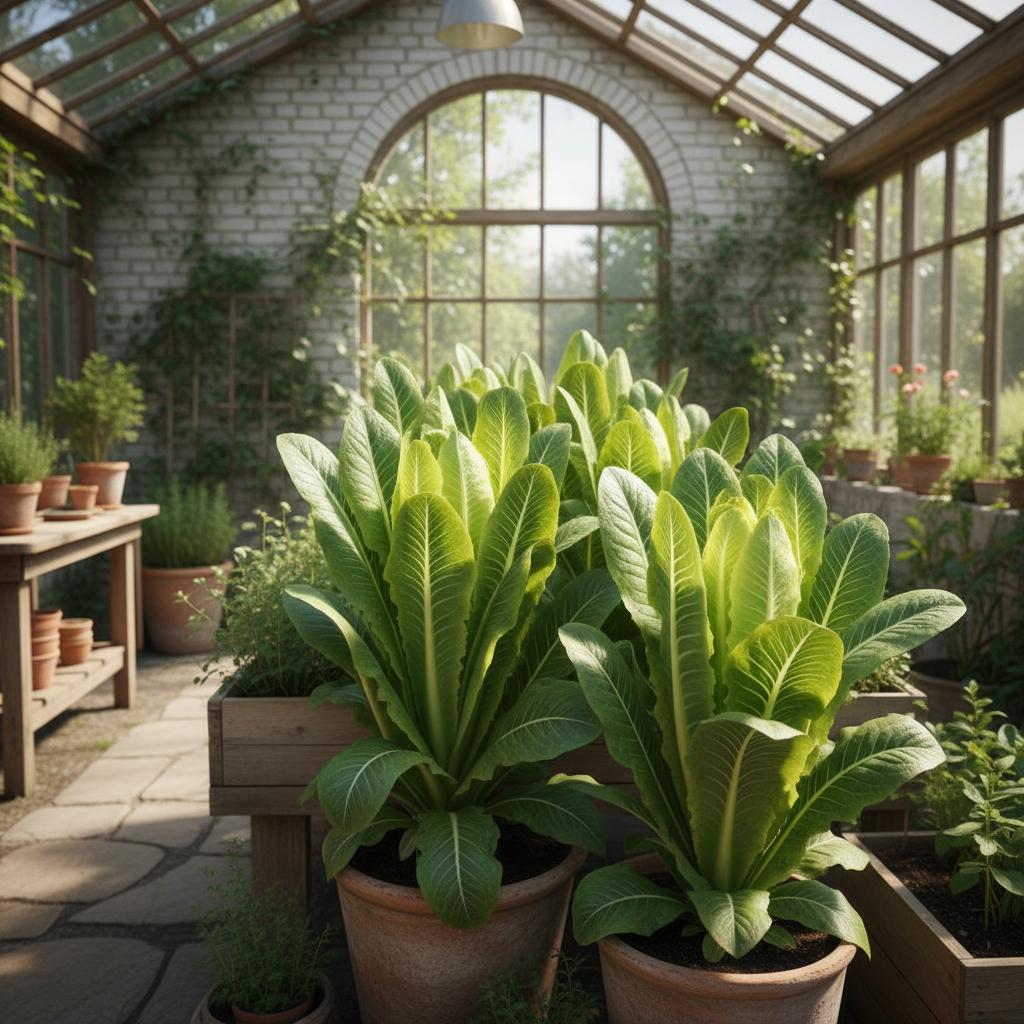
- Leaves: Upright, elongated, spatulate to oblong, typically dark green, forming a tall, loosely folded head with a prominent, thick, crisp white midrib;
- Flowers: Small, pale yellow composite flower heads arranged in a panicle, appearing only when the plant bolts in hot weather;
- Stem: Short and compressed during the vegetative stage, elongating rapidly into a tall, branching stalk during reproduction;
- Roots: Shallow, fibrous taproot system.
Care Guide
Watering
Water frequently to maintain even soil moisture, especially during warm spells.
Fertilization
Apply a nitrogen-rich organic fertilizer to encourage vigorous leafy growth.. Requires steady nutrients, particularly nitrogen, for optimal leaf production.
Coffee Grounds Tea:Steep used coffee grounds in water for 24 hours, strain, and use the liquid to water the lettuce. Provides a gentle nitrogen boost for leafy growth. Avoid applying thick layers of raw grounds directly to soil to prevent mold.Pruning
- Harvest outer leaves individually as a "cut-and-come-again" crop, or cut the entire head at the base when mature;
- Remove any yellowing or damaged lower leaves to improve airflow and prevent rot;
- Pull the entire plant immediately if it begins to bolt (send up a flower stalk), as leaves will become unpalatably bitter.
Toxicity
Warning: this plant may be toxic.
Pets & Humans
Pets: Non-toxic to cats per ASPCA.
Humans: Completely safe and widely consumed as a highly nutritious vegetable.
Garden Uses & Culture
Culture: Highly valued in ancient Rome, it remains a cornerstone of Western cuisine, most notably as the essential ingredient in the classic Caesar salad created in the 1920s.
Usage: Primarily used fresh in salads, sandwiches, and wraps for its crunchy texture; occasionally lightly grilled or braised.