 PlantFun
Plant Needs
Characteristics
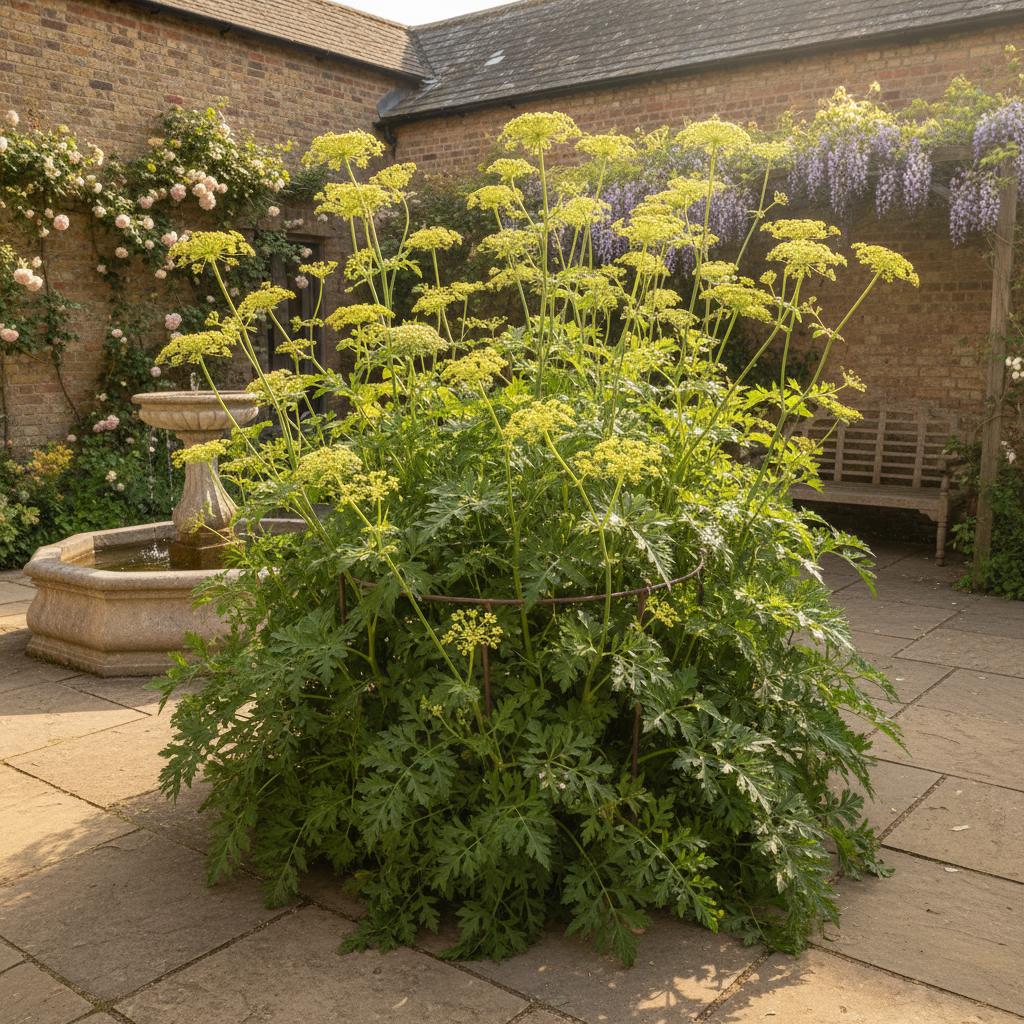
- Leaves: Pinnately compound, leaflets are rhombic to obovate, deeply lobed or toothed, glossy green, and highly aromatic;
- Stems: Slender, hollow, ridged, and green, lacking the thick, fleshy petioles of conventional stalk celery;
- Flowers: Small, white to greenish-white, arranged in compound umbels;
- Roots: Shallow, fibrous root system.
Care Guide
Water frequently to maintain even soil moisture, especially during dry spells.
Apply a balanced or nitrogen-rich fertilizer to encourage leafy growth.. Requires adequate nitrogen for optimal foliage production.
Coffee Grounds Tea:Steep used coffee grounds in water overnight, strain, and use the liquid to water the plants. Provides a gentle nitrogen boost for leafy growth. Avoid applying thick layers of uncomposted grounds directly to soil to prevent mold.- Harvest outer leaves regularly (cut-and-come-again method) to encourage continuous new growth;
- Remove any yellowing or damaged foliage to maintain plant health;
- Snip off flower stalks as soon as they appear if continued leaf production is desired.
Toxicity
Warning: this plant may be toxic.
Pets: Non-toxic per ASPCA.
Humans: Generally safe and widely consumed as food; however, handling wet foliage in bright sunlight can occasionally cause mild phytophotodermatitis in sensitive individuals.
Garden Uses & Culture
Culture: In ancient Greece and Rome, leafy wild celery was associated with chthonic deities and was used to weave garlands for the dead, as well as crowns for the victors of the Nemean and Isthmian Games.
Usage: - **Culinary**: Leaves and slender stalks are chopped and used as a potent flavoring herb in soups, stews, and broths; - **Companion Planting**: Its strong scent can help deter certain garden pests when planted near brassicas.