 PlantFun
Plant Needs
Sunlight
Prefers full sun in cool climates, but benefits from partial shade in hotter regions to prevent premature bolting.
Watering
Requires consistent, even moisture to produce tender leaves and prevent bitterness.
Temperature
Thrives in cool weather; high temperatures trigger bolting and bitter flavor.
Characteristics
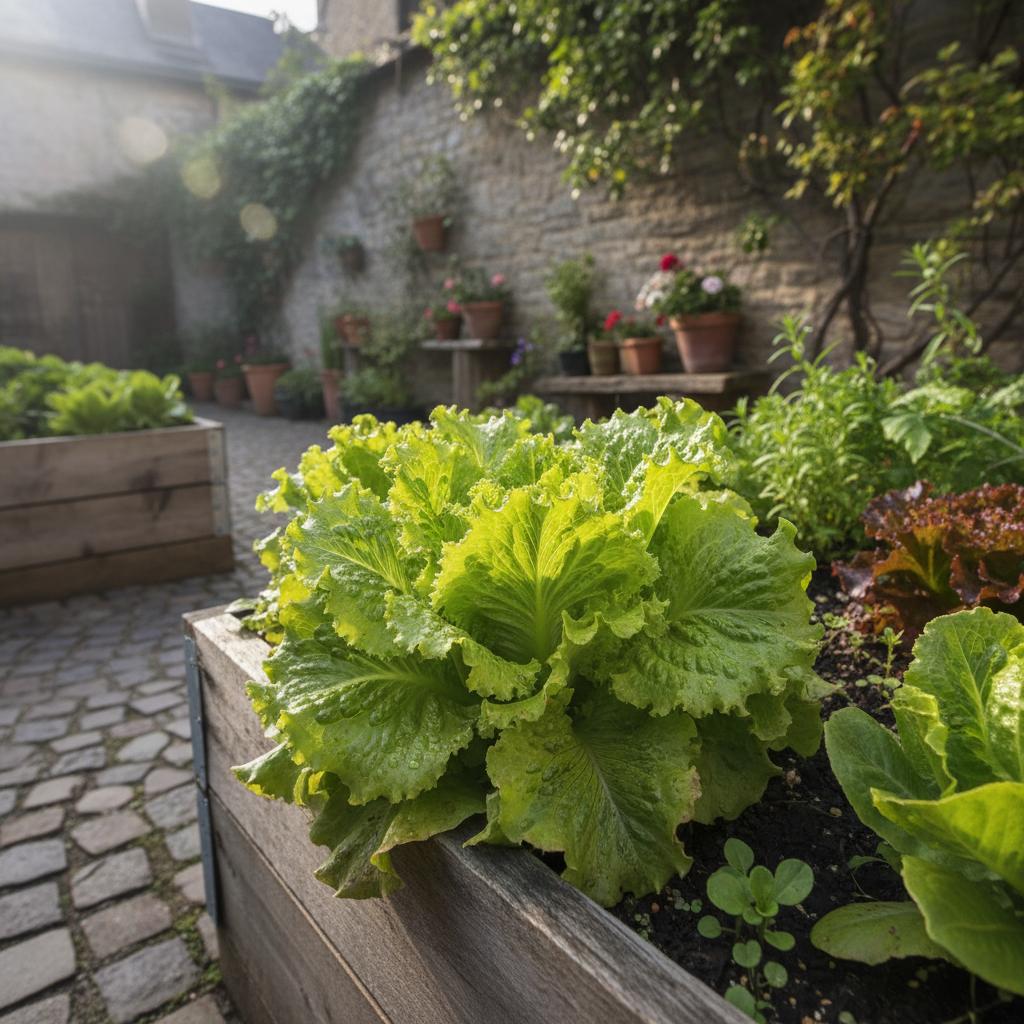
- Leaves: Highly variable by cultivar (loose-leaf, romaine, iceberg); generally broad, tender, ranging from light green to deep red, with entire to frilled margins.
- Flowers: Small, pale yellow flower heads (capitula) arranged in a dense panicle, appearing only when the plant bolts in hot weather.
- Stem: Initially a compressed basal rosette; elongates rapidly into a tall, milky-sapped stalk during the reproductive phase.
- Roots: Shallow, fibrous taproot system.
Care Guide
Watering
Water frequently to keep the soil consistently moist, especially during dry spells.
Fertilization
Apply a nitrogen-rich organic fertilizer to encourage leafy growth.. Requires steady nutrients for rapid vegetative growth.
Coffee Grounds Tea:Steep used coffee grounds in water for 24 hours, strain, and use the liquid to water the base of the plants. This provides a gentle nitrogen boost ideal for leafy greens. Avoid applying thick layers of uncomposted grounds directly to the soil to prevent mold.Pruning
- Harvest outer leaves continuously (cut-and-come-again method) for loose-leaf varieties.
- Harvest entire heads at the base before the plant begins to elongate (bolt).
- Remove and compost any bolted plants, as the leaves become too bitter to eat.
Toxicity
Warning: this plant may be toxic.
Pets & Humans
Pets: Non-toxic per ASPCA.
Humans: Completely safe and widely consumed as a staple vegetable.
Garden Uses & Culture
Culture: Cultivated since ancient Egypt, where it was associated with Min, the god of fertility, and later became a staple in Greek and Roman diets.
Usage: - **Culinary**: Primarily consumed raw in salads, sandwiches, and wraps. - **Culinary**: Occasionally lightly cooked in soups or braised dishes.