 PlantFun
Plant Needs
Characteristics
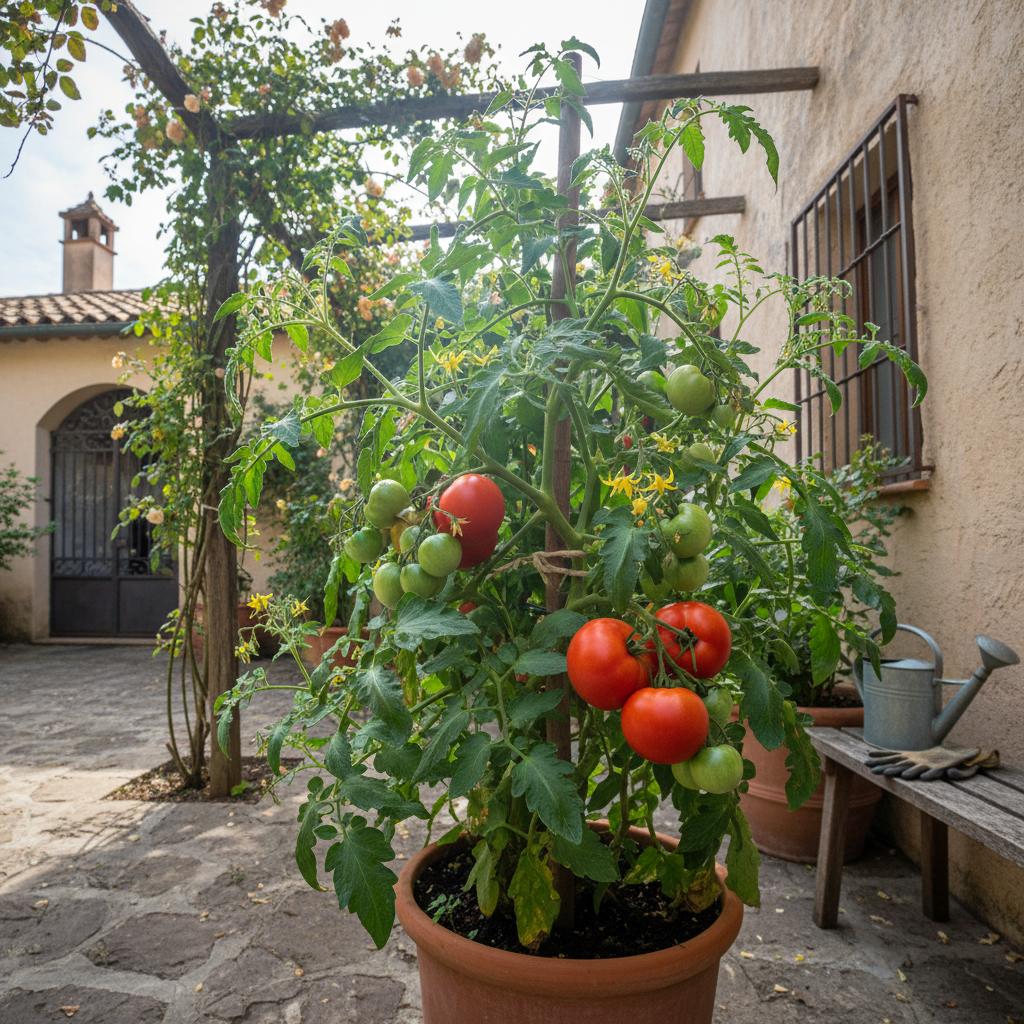
- Leaves: Pinnately compound, alternate, 10-25 cm long, covered with fine glandular hairs that emit a distinct, pungent scent when rubbed;
- Flowers: Small, yellow, star-shaped with five pointed lobes, borne in cymes; anthers are fused into a cone-like structure;
- Fruit: A fleshy berry, typically turning bright red when ripe (though varieties range from yellow to purple), containing numerous small seeds surrounded by a jelly-like pulp;
- Stem: Herbaceous, branching, initially erect but becoming decumbent or vining, covered in dense, sticky trichomes.
Care Guide
Water deeply 2-3 times a week, avoiding overhead watering to prevent fungal blights.
Apply a balanced fertilizer at planting to encourage root and foliage growth.. Regular feeding supports heavy fruiting and overall plant vigor.
Eggshell and Banana Peel Mix:Crush dried, rinsed eggshells into a fine powder and mix into the planting hole to provide calcium (prevents blossom end rot). Steep banana peels in water for 48 hours and use the liquid to boost potassium for fruit development. Avoid high salts and uncomposted raw materials near the stem.- Pinch out "suckers" (the small shoots that grow in the V-space between the main stem and branches) on indeterminate varieties to focus energy on fruiting;
- Remove the lowest leaves once the plant reaches 40 cm tall to prevent soil-borne fungal diseases from splashing onto the foliage;
- Stake or cage the plants early to provide structural support for heavy fruit loads.
Toxicity
Warning: this plant may be toxic.
Pets: Toxic per ASPCA. The green parts (stems, leaves) and unripe fruits contain solanine.
Humans: Ripe fruits are perfectly safe and edible. However, leaves, stems, and unripe green fruits contain toxic glycoalkaloids (tomatine and solanine) which can cause gastrointestinal distress if ingested in large quantities.
Garden Uses & Culture
Culture: Initially feared by Europeans in the 16th century as the "poison apple" due to its botanical relationship to the deadly nightshade, it eventually overcame this stigma to become the absolute heart of Italian and Mediterranean cuisine.
Usage: - **Culinary**: Eaten raw in salads, cooked in sauces, roasted, or sun-dried; - **Companion Planting**: Often planted with basil and marigolds to deter pests like tomato hornworms and nematodes.