 PlantFun
Plant Needs
Characteristics
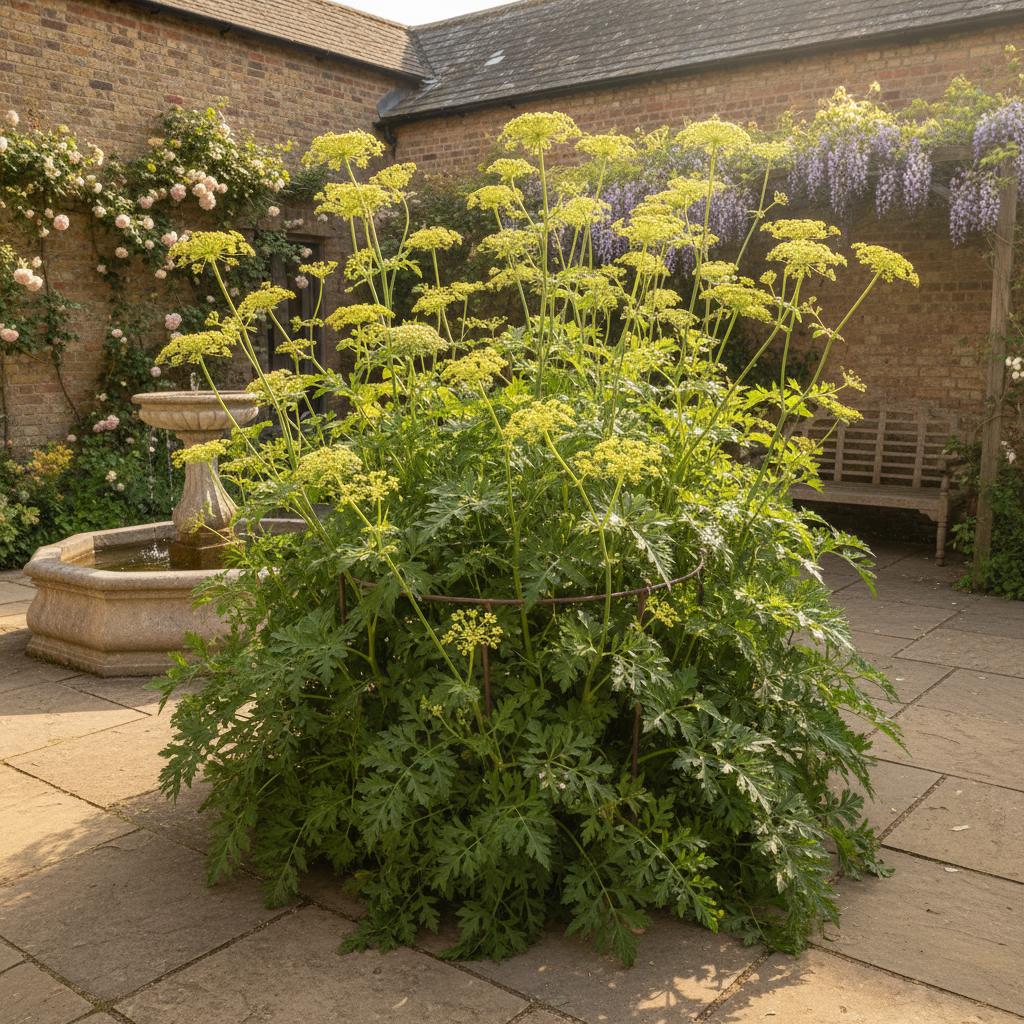
- Leaves: Pinnate to bipinnate, leaflets rhombic to lanceolate, distinctively yellowish-green to pale green, margins coarsely toothed;
- Stems: Ribbed, fleshy, solid petioles (stalks) that are pale yellow to light green, forming a tight basal rosette;
- Flowers: Small, white to greenish-white, borne in compound umbels during the second year of growth;
- Roots: Shallow, fibrous root system.
Care Guide
Water deeply and frequently to maintain even soil moisture, crucial for crisp stalks.
Apply a balanced or nitrogen-rich fertilizer to encourage vigorous leafy growth.. Heavy feeder requiring regular nutrient replenishment, especially nitrogen and potassium.
Coffee Grounds Tea:Steep used coffee grounds in water for 24 hours, strain, and use the liquid to water the plants. Provides a gentle nitrogen boost for leafy growth. Avoid applying thick layers of raw grounds directly to the soil to prevent mold.- Remove any dead, yellowing, or diseased outer stalks promptly to improve air circulation;
- Keep the base free of debris to deter pests like slugs and snails;
- Harvest outer stalks individually as needed, or cut the entire plant at the base when mature.
Toxicity
Warning: this plant may be toxic.
Pets: Non-toxic to cats per ASPCA.
Humans: Generally safe for consumption; however, handling large amounts of foliage in bright sunlight may cause mild phytophotodermatitis in sensitive individuals due to furanocoumarins.
Garden Uses & Culture
Culture: In ancient Greece, wild celery was considered a holy plant, often woven into garlands to crown the winners of the Nemean and Isthmian Games.
Usage: Widely used as a culinary vegetable in soups, stews, salads, and as a base for mirepoix. The seeds are also harvested and used as a spice.