 PlantFun
Plant Needs
Sunlight
Prefers full sun but tolerates partial shade, especially in hot climates.
Watering
Requires consistently moist soil; do not let the soil dry out completely.
Temperature
Thrives in cooler temperatures; may bolt (go to seed) prematurely in extreme heat.
Characteristics
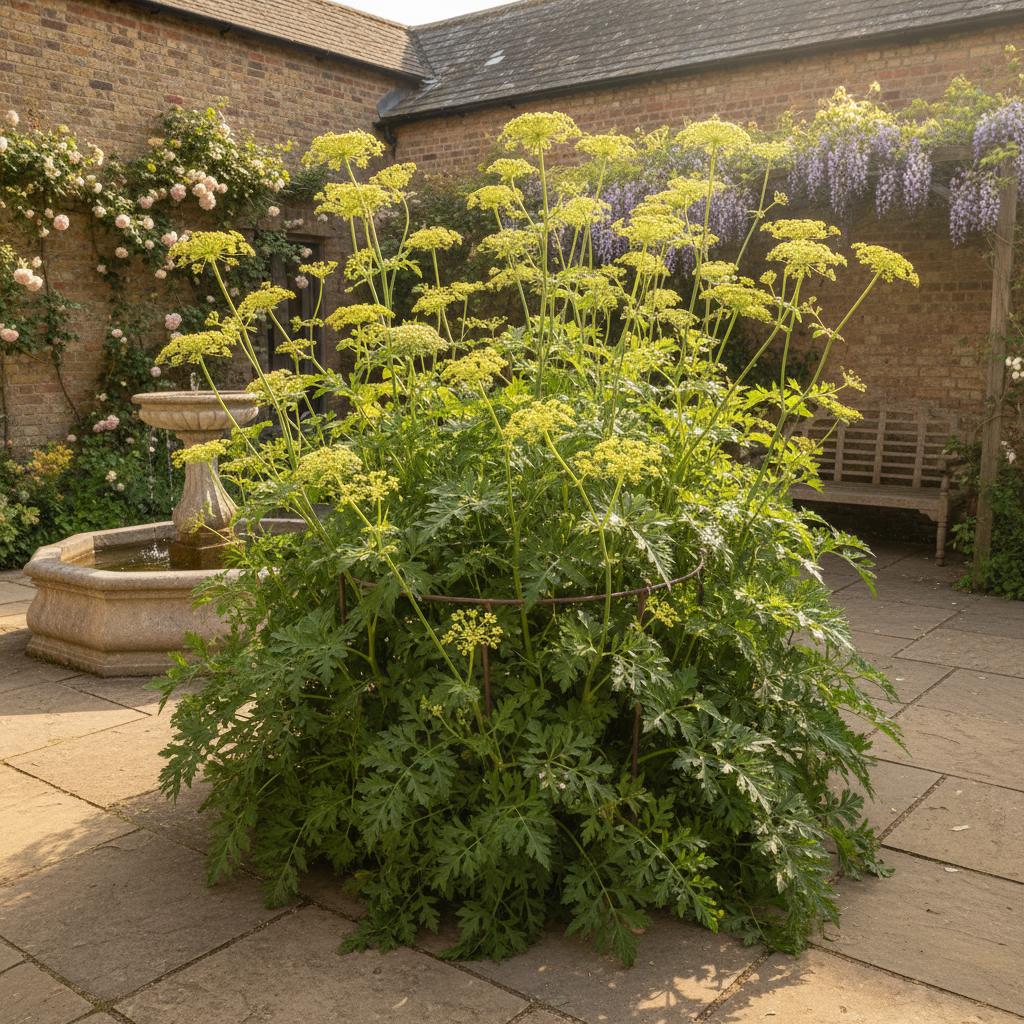
- Leaves: Flat, dark green, deeply divided, pinnate to tripinnate, not curled;
- Stems: Erect, grooved, branching, and solid;
- Flowers: Compound umbels with small, yellow-green to white flowers appearing in the second year;
- Roots: Thick, fleshy taproot system.
Care Guide
Watering
Water regularly to keep the soil evenly moist but not waterlogged.
Fertilization
Apply a balanced organic fertilizer to encourage leafy growth.. Avoid over-fertilizing, which can dilute the flavor of the leaves.
Coffee Grounds Tea:Steep used coffee grounds in water overnight, strain, and use the liquid to water the plant. Provides a gentle nitrogen boost for leafy growth. Avoid applying thick layers of raw grounds directly to soil to prevent mold.Pruning
- Harvest outer, older leaves first to encourage new growth from the center;
- Snip stems close to the ground rather than just pulling off leaves;
- Remove flower stalks immediately if you want to prolong leaf production.
Toxicity
Warning: this plant may be toxic.
Pets & Humans
Pets: Toxic per ASPCA (furanocoumarins). Ingestion of large amounts combined with UV exposure can cause photosensitization.
Humans: Safe for culinary use; leaves are non-toxic.
Garden Uses & Culture
Culture: In ancient Greece, parsley was associated with death and used in funeral wreaths, but it later became a symbol of festivity and a culinary staple across Europe.
Usage: Widely used as a culinary herb, garnish, and flavor enhancer in Mediterranean and European cuisines.